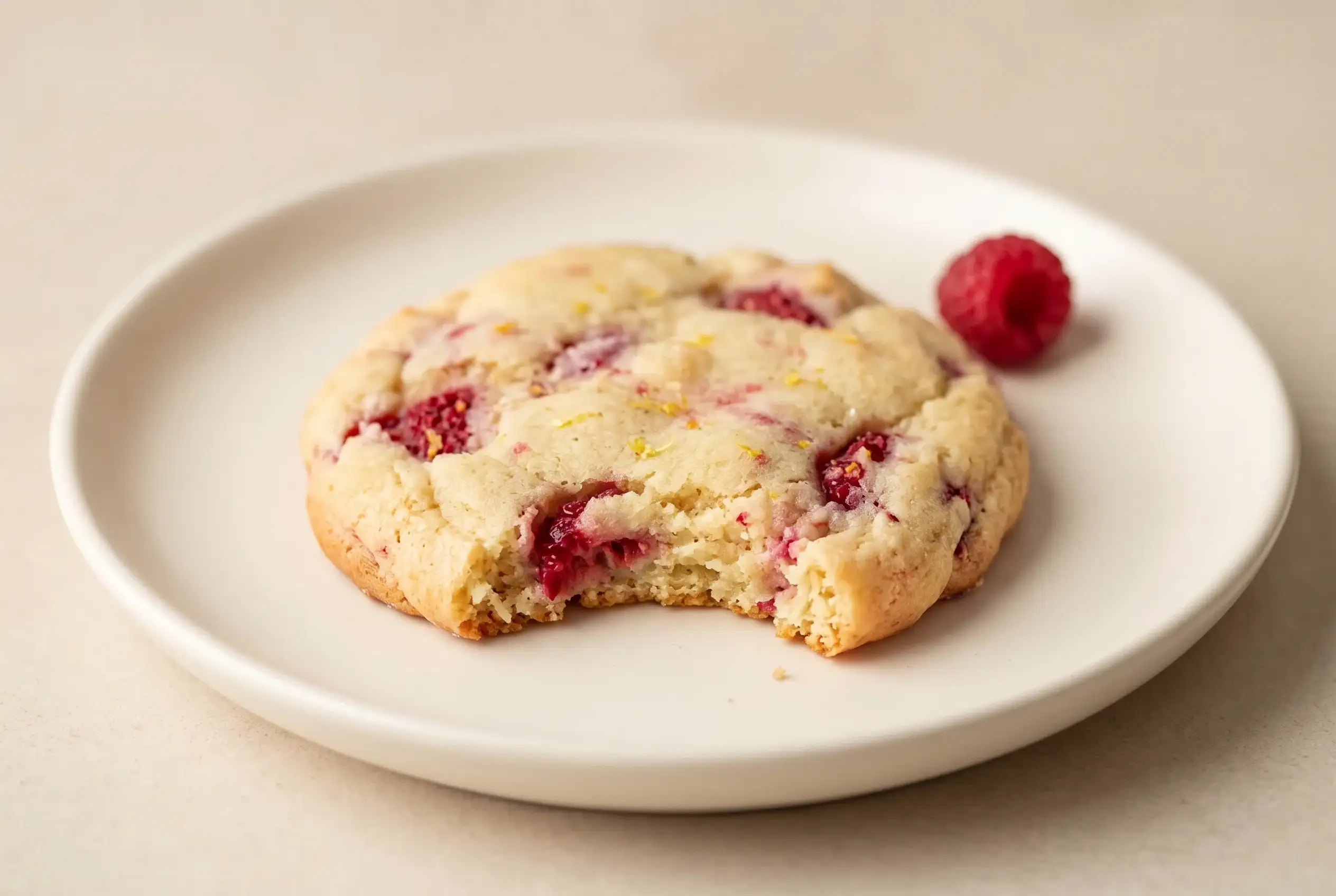

Brown sugar cinnamon cookies have a soft center, lightly golden edges, and a warm cinnamon flavor that makes them especially appealing alongside coffee, tea, or milk. Brown sugar gives the dough its characteristic sweetness and moisture, while a light coating of granulated sugar adds a delicate finish.
Making these cookies involves familiar baking ingredients and a straightforward mixing process, but several small details influence the result. Butter softness, dough handling, cookie thickness, and the moment you remove the baking sheet from the oven all affect whether the cookies turn out tender or firm. Understanding those details makes it easier to produce soft brown sugar cinnamon cookies with consistent texture.
Why Brown Sugar Cinnamon Cookies Stay Soft
Brown sugar contains molasses, which gives it a slightly moist consistency and a richer flavor than plain granulated sugar. That moisture helps create the tender interior associated with brown sugar cinnamon cookies, particularly when the dough is mixed gently and the cookies are not baked beyond their golden-edge stage.
The combination of butter, egg, and brown sugar also contributes to the texture. As the cookies bake, their edges begin to set while the centers remain softer. Allowing them to cool briefly on the baking sheet gives the delicate interiors time to become firm enough for handling.
A small amount of granulated sugar on the surface provides a different texture from the soft dough underneath. This contrast is especially noticeable when the cookies are freshly baked and have cooled just enough to hold their shape.
Brown Sugar and Cinnamon Balance in the Dough
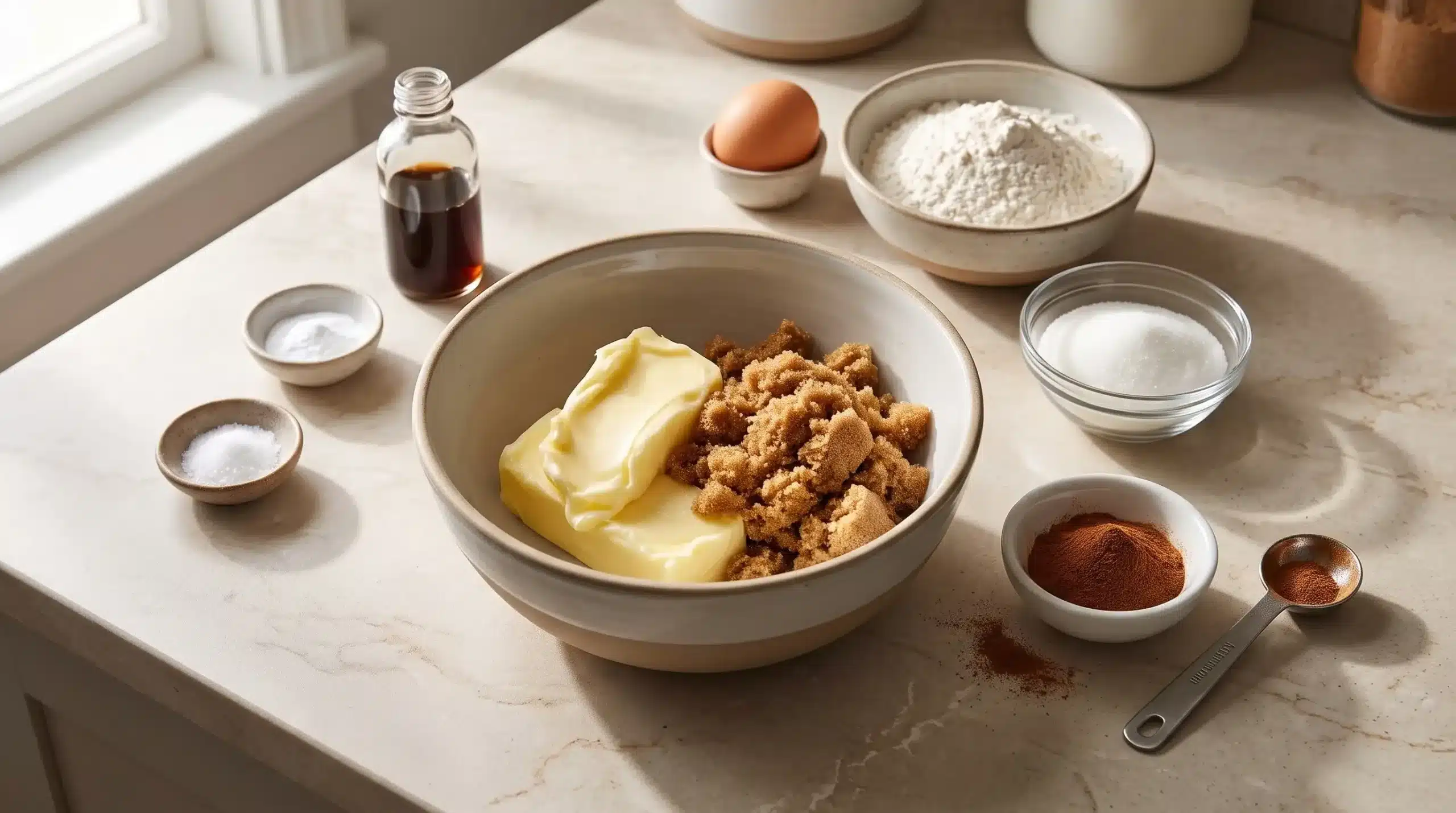
The most important ingredient decision is keeping the brown sugar and cinnamon proportions balanced. Brown sugar contributes both sweetness and moisture, while cinnamon provides the recognizable warm, spiced flavor. Because the dough includes a full tablespoon of cinnamon, the spice is noticeable throughout each cookie without depending on a separate cinnamon coating.
Softened butter should be pliable enough to cream smoothly with the brown sugar. Butter that remains very firm can be difficult to combine evenly, while melted butter changes the consistency of the dough. Allowing it to soften at room temperature supports the intended mixing method.
All-purpose flour provides structure, and baking soda helps the cookies spread and develop their baked texture. Salt balances the sweetness, while vanilla rounds out the flavor. Keeping these ingredients evenly distributed is more useful than adding extra cinnamon after the dough has already been mixed.
The Slightly Flattened Shape Matters
Small dough balls are flattened gently before baking so the cookies have a head start on spreading into an even shape. A modest amount of pressure is enough; pressing them extremely thin can make their edges bake more quickly than their centers. Similar-sized portions also help the cookies finish baking at approximately the same time.
Controlling the Golden Edges During Baking
The clearest baking signal for brown sugar cinnamon cookies is the appearance of lightly golden edges. At 350°F (175°C), the supplied baking window is 10–12 minutes, but appearance should guide the decision because cookie size and individual ovens can affect browning.
Check the cookies near the beginning of that window. Their edges should look set and slightly golden, while the centers may still appear softer. Waiting until the entire surface becomes deeply colored can produce firmer cookies than intended.
Once the baking sheet leaves the oven, keep the cookies in place for a few minutes. They continue to settle during this short cooling period, making it easier to transfer them to a wire rack without damaging their soft centers.
Common Brown Sugar Cinnamon Cookie Mistakes to Avoid
Small preparation errors can change the thickness, texture, and appearance of these cookies. Most problems come from the way the butter is handled, how thoroughly the dough is mixed, or when baking stops.
- Butter too firm: Cold butter may not cream smoothly with brown sugar. Let it soften before mixing.
- Overmixed dough: Excessive stirring after adding flour can make the cookies tougher. Stop when the dry ingredients are incorporated.
- Uneven portions: Different cookie sizes can produce inconsistent browning. Make the dough balls approximately equal.
- Excessive flattening: Very thin cookies can become crisp before the centers reach the desired texture. Press each portion only slightly.
- Overbaking: Waiting for deeply browned tops can reduce softness. Look for golden edges and allow the cookies to finish setting as they cool.
If a batch spreads unevenly, pay attention to portion size and how much each dough ball was pressed. When the cookies seem unusually firm, the most useful adjustment for another batch is to check the oven earlier and avoid additional mixing after incorporating the flour.
A Light Sugar Topping Without Excess Sweetness
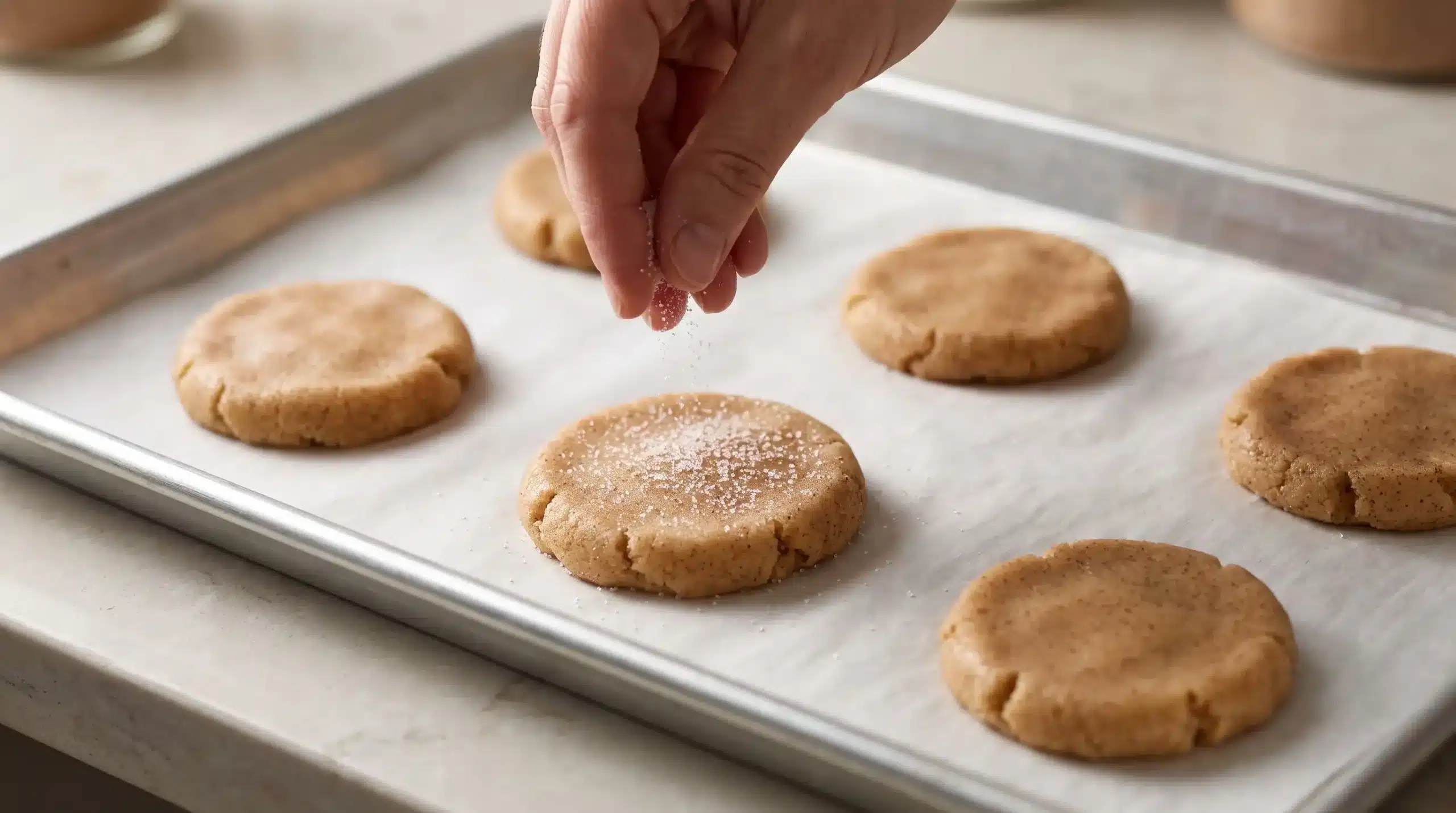
Granulated sugar belongs on the surface of these cookies, where a light sprinkling provides a subtle textural difference. Distribute it across the slightly flattened dough before baking, keeping the coating thin enough for the cinnamon flavor to remain noticeable. The brown sugar already supplies the main sweetness, so a heavy surface coating is unnecessary.
Texture Differences Between Soft and Chewy Cookies
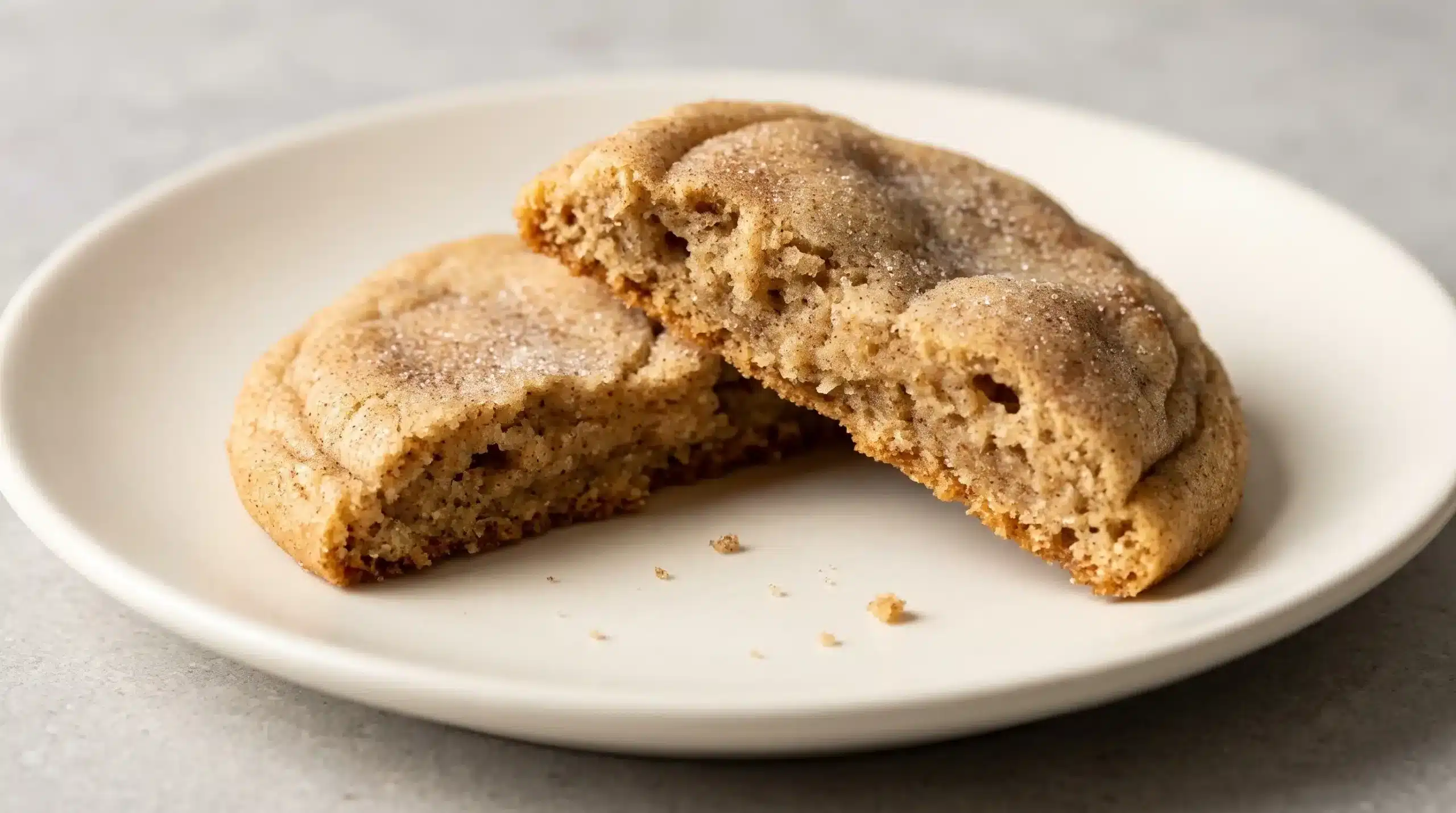
Softness and chewiness are closely related, but they describe slightly different eating qualities. A soft cookie yields easily when bitten, while a chewy cookie offers a little resistance before breaking apart. Brown sugar, gentle mixing, and careful baking can support both characteristics.
For chewy brown sugar cinnamon cookies, avoid working the dough excessively after adding the flour mixture. Mix just enough to distribute the dry ingredients evenly, since continued mixing develops stronger gluten bonds that can make tender baked goods tougher. Stop as soon as the flour is incorporated to preserve the cookies’ soft texture.
The comparison below helps identify which baking observations are most useful when choosing the preferred texture.
| Cookie characteristic | What to look for | Practical adjustment |
|---|---|---|
| Soft center | Set edges with a tender middle | Remove when the edges first become golden |
| Chewy bite | Flexible interior with a little resistance | Mix gently after incorporating flour |
| Firmer cookie | More fully set center and drier edges | Allow slightly more baking within the recommended window |
| Even texture | Similar thickness across the batch | Portion and flatten the dough consistently |
Cooling Cookies Without Breaking Their Centers
Freshly baked cookies can be fragile when their centers are still warm. Moving them immediately from the baking sheet may cause bending or breakage, particularly if they were removed while soft. Leave them undisturbed briefly, then transfer them to a wire rack for further cooling. This short pause helps preserve their shape without requiring additional oven time.
Nut and Chocolate Chip Variations
A simple way to change the texture is to incorporate chopped nuts or chocolate chips into the dough. The original variation allows approximately half a cup of either addition. Nuts introduce a firmer bite, while chocolate chips create pockets of chocolate throughout the cinnamon-flavored cookie. For more evenly distributed chocolate in the finished cookies, use small chips and fold them in gently, as you would when preparing chocolate chip cookies.
Nutmeg is another possible variation when a different warm spice profile is desired. Because cinnamon already has a prominent role, begin with a modest amount of additional spice so it does not overwhelm the brown sugar flavor.
Additional ingredients can change how easily the dough forms uniform balls. Distribute mix-ins evenly before portioning, and keep the cookies similar in size so that the additions do not create large differences between individual pieces.
Serving Cinnamon Cookies Warm or Cooled
Warm cookies have a softer eating texture and a more noticeable cinnamon aroma, while cooled cookies are easier to arrange, transport, and store. Both serving temperatures suit brown sugar cinnamon cookies, so the choice depends mainly on when they will be eaten.
A glass of milk provides a simple accompaniment, and unsweetened coffee or tea can balance the sweetness. For a more substantial dessert, place a scoop of ice cream over a cookie that has cooled enough to handle. The contrast between the cool ice cream and the spiced cookie works especially well when serving individual portions.
Keeping Brown Sugar Cinnamon Cookies Fresh
Once completely cooled, place the cookies in an airtight container at room temperature. They can remain fresh for up to one week when stored properly, although their texture may gradually change. Closing the container securely helps limit exposure to air, which can dry the cookies.
Avoid sealing the cookies while they are still warm. Trapped moisture may collect inside the container and affect their surfaces. Cooling them before storage helps maintain a more consistent texture.
For longer storage, wrap the cookies tightly and freeze them. Separating portions before freezing can make it easier to take out only what is needed. Allow frozen cookies to thaw while wrapped before serving to reduce condensation on their surfaces.
Choosing Between Brown Sugar and White Sugar
White granulated sugar can replace brown sugar when necessary, but the change affects the finished cookie. Without the molasses found in brown sugar, the dough generally has less moisture and a lighter flavor. The cookies may also be less chewy. For the characteristic texture and taste of brown sugar cinnamon cookies, retaining the original brown sugar is the better choice.
Making the Cinnamon Cookies Gluten-Free
A gluten-free flour blend can be used in place of all-purpose flour, ideally one formulated for baking and containing xanthan gum. Since gluten-free blends differ in their ingredients and moisture absorption, the finished texture may not exactly match the wheat-flour version. Use a blend designed for a direct flour substitution and assess the dough’s consistency before shaping.
Brown Sugar Cinnamon Cookies as an Occasional Sweet Treat
Brown sugar contains small amounts of minerals from molasses, and cinnamon has been studied for potential health-related properties. However, neither makes a sugar-containing cookie a significant source of nutritional benefits. These cookies are best viewed as a dessert enjoyed in moderation, with serving size considered alongside the rest of the day’s food choices.
The Key to Tender Brown Sugar Cinnamon Cookies
Lightly golden edges and a still-tender center indicate the point at which these cookies should leave the oven. Combined with properly softened butter, minimal mixing after adding flour, and a brief rest on the baking sheet, that visual cue helps preserve the soft texture while allowing each cookie to hold its shape.
The balance of brown sugar and cinnamon remains central to the finished flavor. Keeping the dough portions consistent and the surface sugar coating light allows those ingredients to remain noticeable without changing the straightforward character of the cookies.
Brown Sugar Cinnamon Cookies Questions About Softness and Substitutions
Can the cookie dough be prepared ahead of baking?
The dough can be covered and refrigerated before shaping and baking. Chilled dough may be firmer, so allow it to soften just enough to portion and flatten without cracking. Avoid leaving dough containing raw egg at room temperature for extended periods.
Why are my cookies spreading too much?
Excessively warm or melted butter can contribute to additional spreading. Check that the butter was softened but not liquid when mixed with the sugar. If the dough becomes unusually warm during handling, briefly chilling it before portioning can help it hold its shape.
Can I make brown sugar cinnamon cookies without the granulated sugar topping?
Yes. The topping is optional because sweetness already comes from the brown sugar in the dough. Leaving it off produces a simpler surface with less sugary texture, while the cinnamon flavor remains throughout each cookie.
What should I do if the cookie dough feels sticky?
Soft dough can feel tacky, especially when the butter is warm. A short period in the refrigerator may make it easier to roll into balls. Avoid immediately adding extra flour, which could change the intended balance of ingredients and leave the baked cookies drier.
Can I use salted butter in place of unsalted butter?
Salted butter can be used if that is what you have available. Because the dough already contains salt, consider reducing the separately added amount to avoid an overly salty flavor. The exact adjustment depends on how much salt the butter contains.
How can I tell whether a cooled cookie is fully baked?
Once cooled, a properly baked cookie should hold together when lifted and have an established outer edge. A soft center is expected, but a wet or paste-like interior indicates insufficient baking. If that happens, make the next batch slightly smaller or use the longer end of the recommended baking window while monitoring the edges.
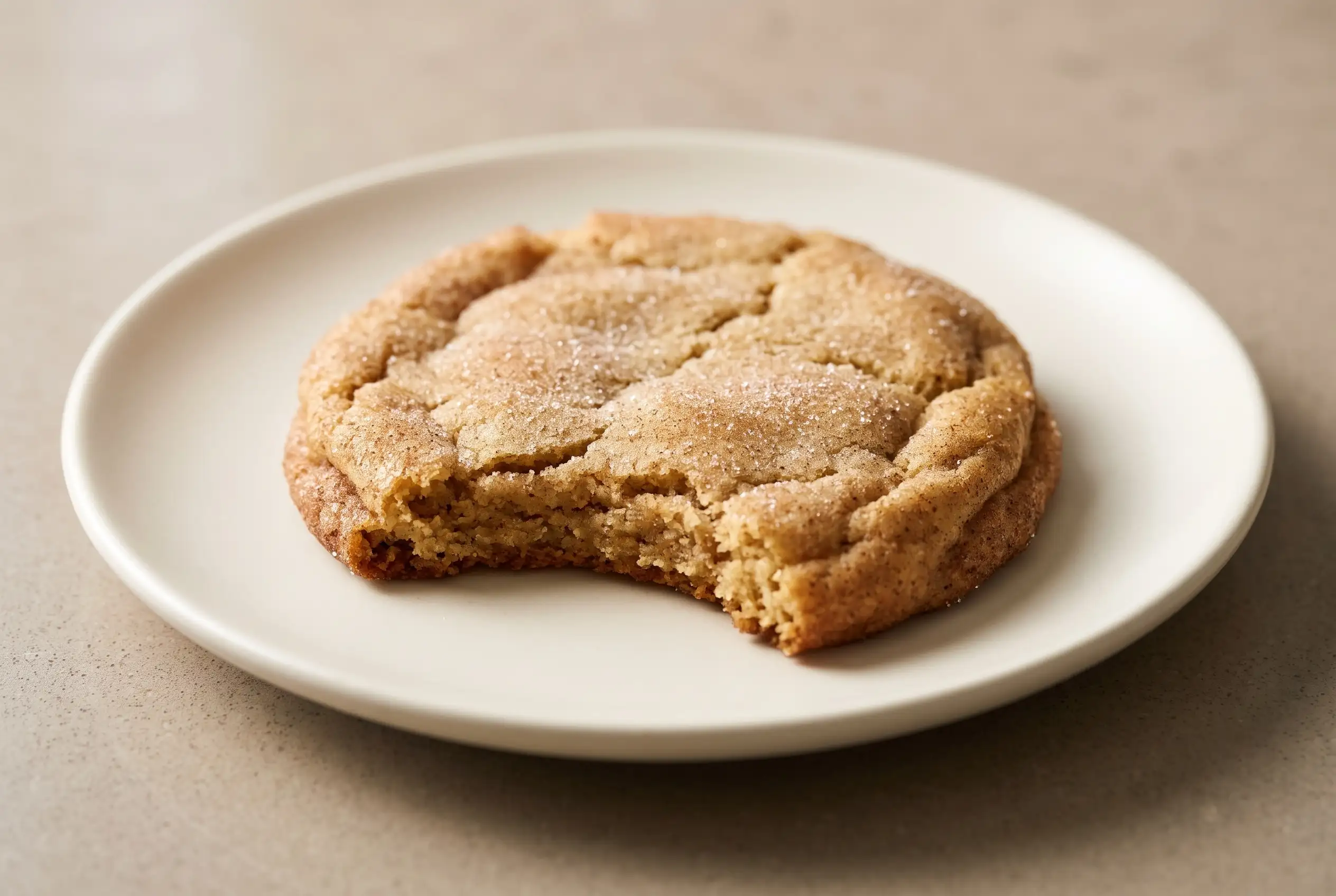
Brown Sugar Cinnamon Cookies with Granulated Sugar Coating
Ingredients
Method
- Set the oven to 350°F (175°C). Cover a baking sheet with parchment paper.
- In a large bowl, cream the softened butter with the brown sugar until the mixture becomes smooth and uniform.
- Beat in the egg and vanilla extract, mixing until fully incorporated.
- In another bowl, combine the flour, baking soda, salt, and ground cinnamon with a whisk.
- Add the dry mixture to the butter mixture in portions, mixing gently until a soft dough develops. Stop mixing once the ingredients are incorporated.
- Portion the dough into approximately 24 equal pieces and shape each into a ball. Place them on the lined baking sheet with about 2 inches of space between cookies.
- Press each dough ball down slightly, then distribute the entire 1/4 cup of granulated sugar evenly across the tops.
- Bake for 10–12 minutes, checking for pale golden edges and centers that have set.
- Allow the cookies to cool briefly on the baking sheet before moving them to a wire rack to cool completely.