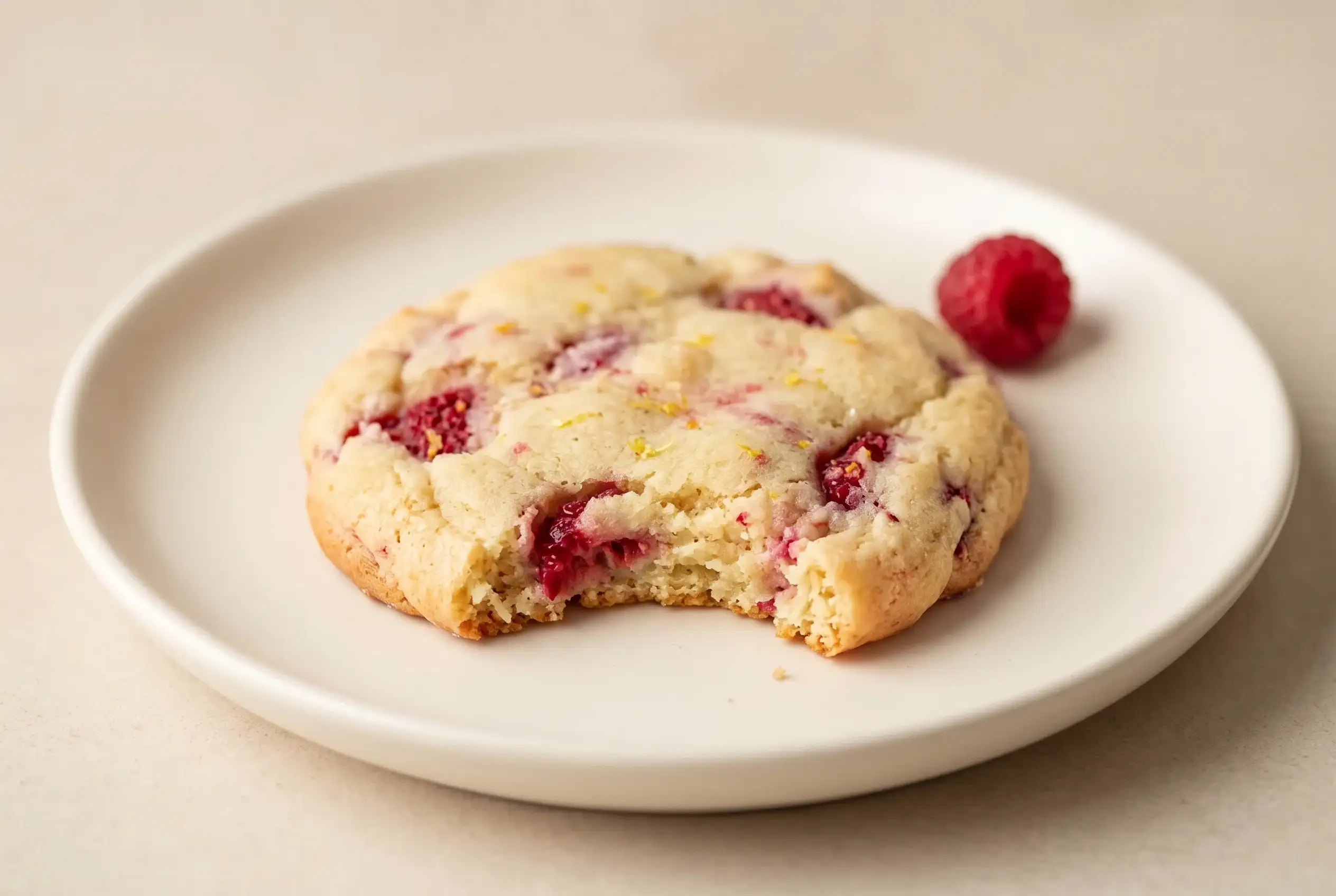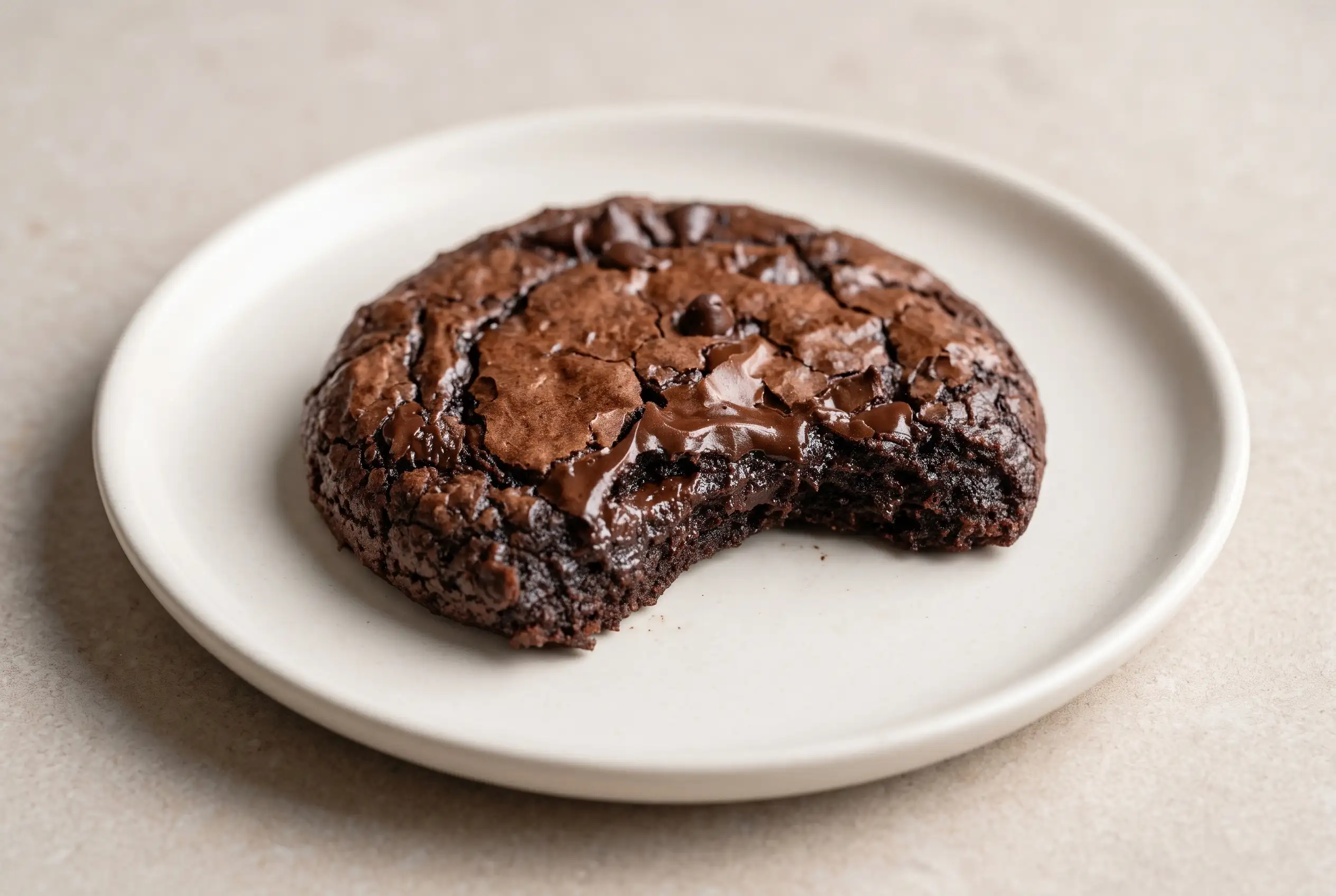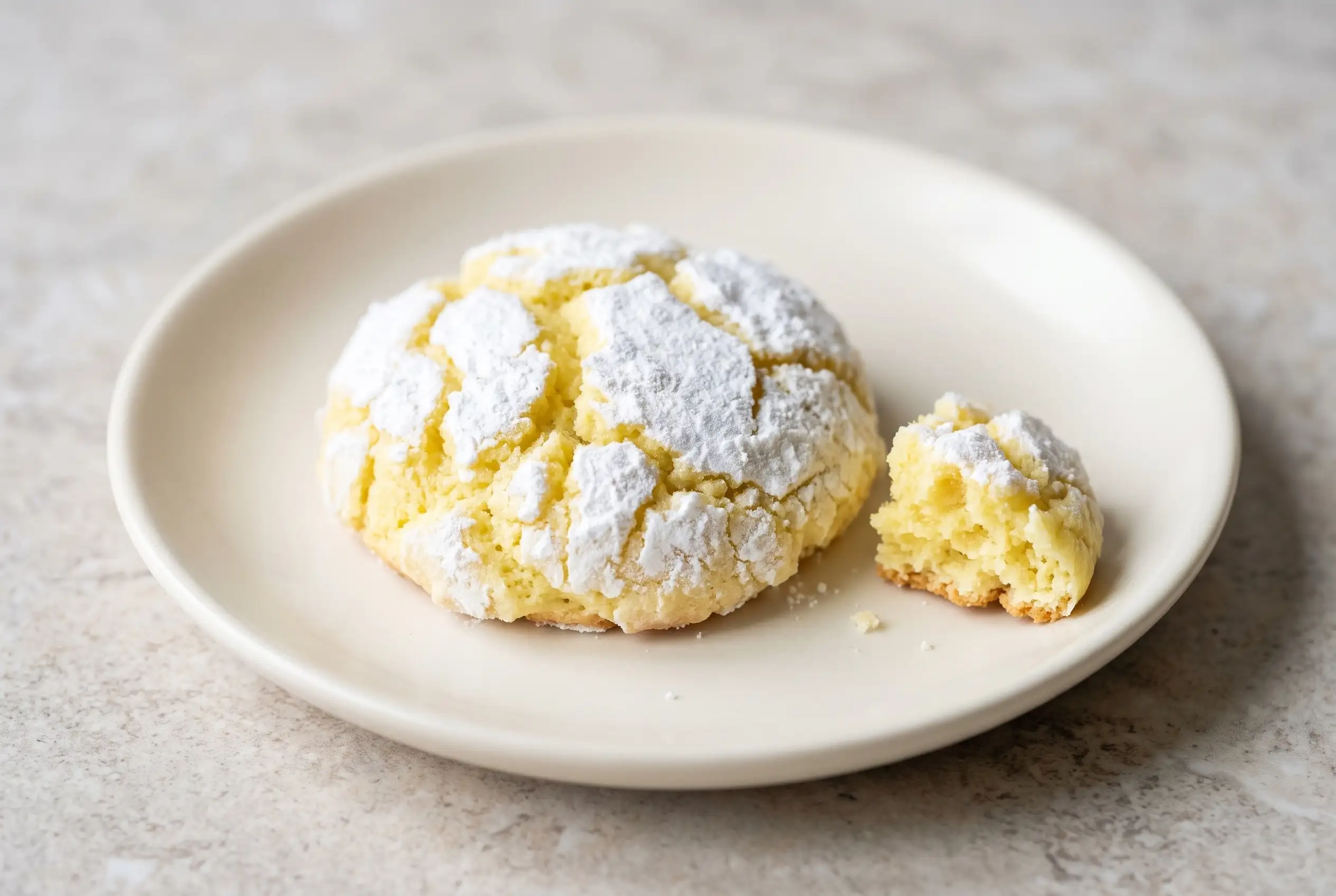

Chewy pumpkin chocolate chip cookies combine rich brown butter, pumpkin spice, and generous pieces of chocolate in a soft cookie with lightly golden edges. The pumpkin contributes moisture and flavor, while a few careful preparation techniques keep the centers chewy instead of overly soft or cakey.
Unlike many pumpkin cookies that have a fluffy, cake-like consistency, these cookies rely on reduced-moisture pumpkin puree, cooled browned butter, and egg yolks. Those details make a noticeable difference in the dough. Understanding how to manage moisture and recognize the right baking point helps produce consistent results without complicating the baking process.
Why Brown Butter Gives Pumpkin Cookies More Depth
Ordinary melted butter provides richness, but browning it creates a nutty aroma that works particularly well with pumpkin spice and chocolate. As butter heats in a stainless steel pan, its milk solids gradually turn golden brown. Those toasted particles are responsible for much of the distinctive flavor.
A stainless steel pan makes the color changes easier to observe. Stir occasionally and pay attention to the butter near the bottom, where the browned particles collect. Once the butter smells nutty and small brown bits appear, remove it from the heat to prevent those solids from burning.
Brown butter pumpkin chocolate chip cookies also depend on the butter’s temperature after browning. The melted butter needs to cool before it is combined with sugar and the remaining wet ingredients. Chilling it for 50–60 minutes, with occasional stirring, allows it to reach approximately 75°F while remaining easy to mix.
Using butter while it is still hot can make the dough unusually loose and affect how the cookies spread. Allowing the butter to cool gives the mixture a more controlled consistency before the pumpkin and flour enter the bowl.
Pumpkin Puree Needs Careful Moisture Reduction
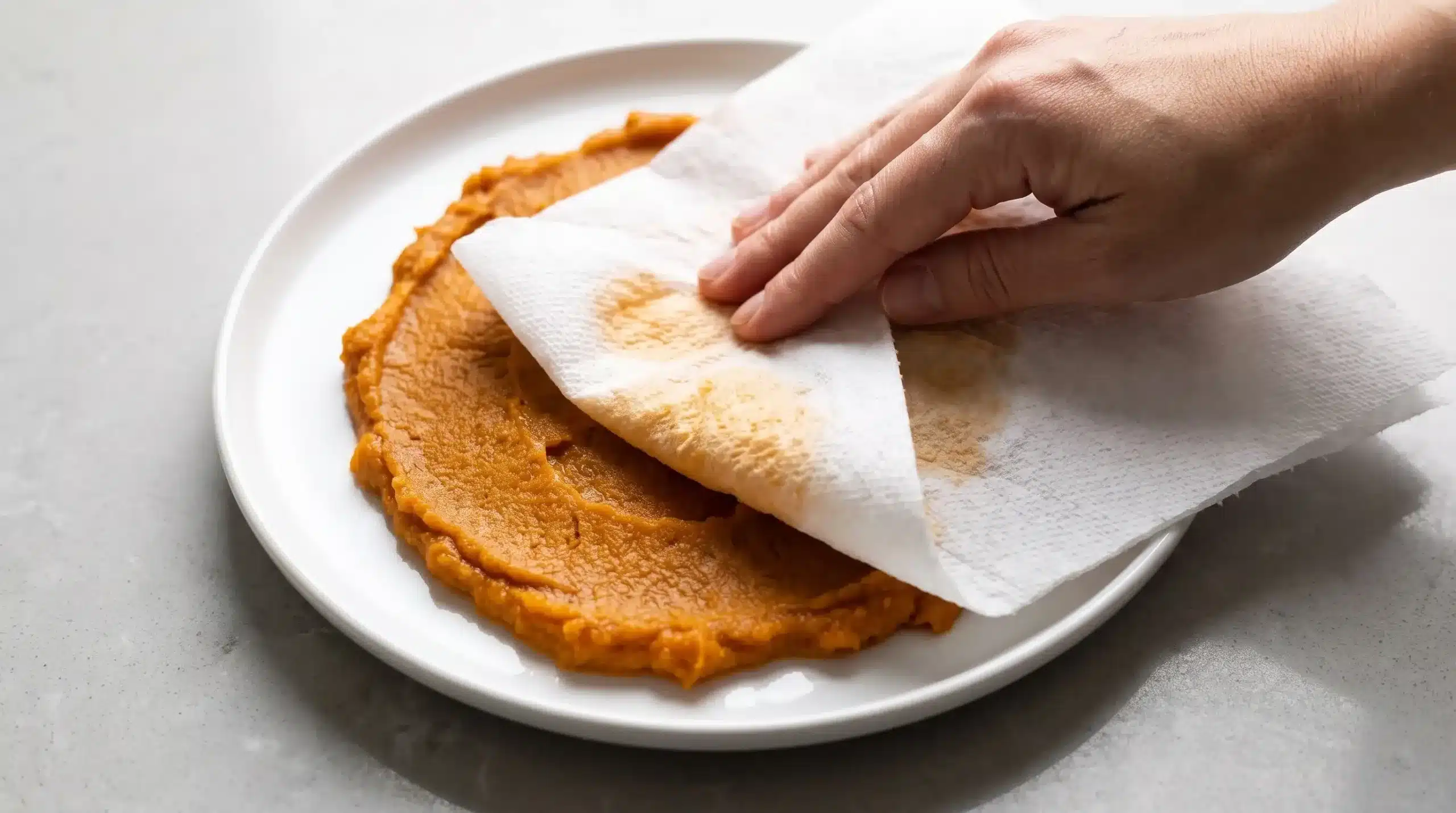
Pumpkin puree contains substantial moisture, which can make cookies soft and cake-like when too much liquid remains. For chewy pumpkin chocolate chip cookies, removing excess moisture is one of the most consequential preparation decisions.
Spread the puree across a plate and press clean paper towels against its surface. Replace the towels as they become saturated, continuing until the puree becomes noticeably thicker. Its finished texture should resemble soft playdough rather than a loose, spoonable puree.
The original amount of 2/3 cup should reduce to approximately 1/3 cup, or 75 grams, after blotting. Measure the prepared pumpkin after removing the liquid. Using the full original volume without drying it would introduce more moisture than the dough is designed to handle.
Room-temperature pumpkin incorporates more smoothly into the cooled butter mixture. The thickened puree should still be soft enough to blend with the egg yolks and vanilla without leaving large pockets throughout the dough.
The Ingredient Choices That Shape a Chewy Center
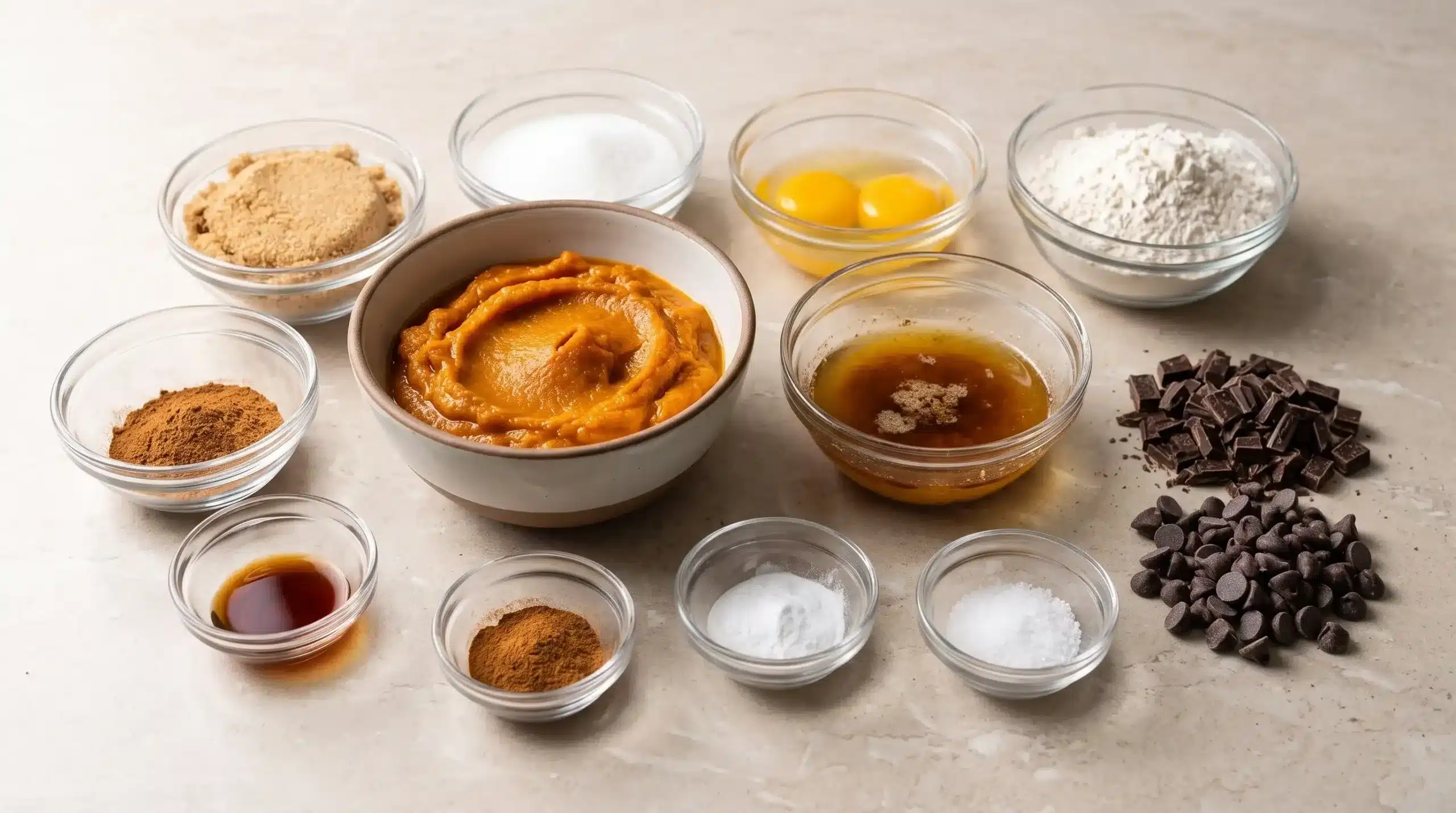
A combination of granulated sugar and packed light brown sugar supports the intended texture. Brown sugar contributes moisture and a mild caramel-like flavor, while granulated sugar helps shape the cookie’s edges. Both are mixed into the cooled brown butter until the mixture resembles wet sand.
Two egg yolks are used instead of whole eggs. Their richness helps create a tender dough without adding the additional liquid from egg whites. This choice works alongside the dried pumpkin to support the soft and chewy pumpkin cookies texture.
All-purpose flour supplies the structure, while baking soda helps the cookies bake and spread. Pumpkin spice brings the familiar warm seasoning, and fine sea salt balances the sugar and chocolate. Vanilla provides another aromatic note without competing with the pumpkin.
When measuring flour by volume, gently spoon flour into the measuring cup and level the surface. Packing flour into the cup can increase the amount added, making the finished cookies firmer and less tender than intended.
Chocolate Pieces Create Different Textures in Every Bite
Finely chopped chocolate bars and chocolate chips are both suitable, but they produce slightly different results. Chopped chocolate creates irregular pockets that can melt into the dough, while chips generally retain more of their original shape.
For chewy pumpkin chocolate chip cookies with extra chocolate on the surface, reserve a few pieces and press them onto the shaped dough balls before baking. This changes their appearance and chocolate distribution without requiring additional dough ingredients.
Cooling Brown Butter Without Losing Its Toasted Flavor
Temperature control is particularly important because freshly browned butter is fully melted and very hot. Transferring it from the pan to a glass measuring bowl helps stop the browning process and makes the cooling stage easier to monitor.
Stirring the butter every 10–15 minutes during refrigeration encourages more even cooling. The browned particles should remain with the butter because they contain much of its toasted flavor.
After cooling, the butter should be suitable for whisking with the two sugars. Its appearance will differ from creamed softened butter; a damp, sandy mixture is expected. There is no need to whip it into a fluffy consistency before incorporating the other wet ingredients.
Cookie Dough Consistency Before the Baking Trays
Once the wet ingredients are combined, the flour, pumpkin spice, baking soda, salt, and chocolate should be folded in gently. Mixing only until the dry flour disappears helps prevent excessive gluten development, which can produce tougher cookies.
The dough should be substantial enough to portion and roll into balls. If it appears unusually wet, consider whether the pumpkin retained too much moisture or whether the butter was incorporated while excessively warm. Adding unmeasured flour is not an ideal first correction because it changes the balance of the dough.
Portioning with a 3-tablespoon scoop helps create similarly sized cookies. Consistent portions make it easier to judge doneness across a tray, especially when baking the cookies in separate batches.
Oven Control for Golden Edges and Tender Centers
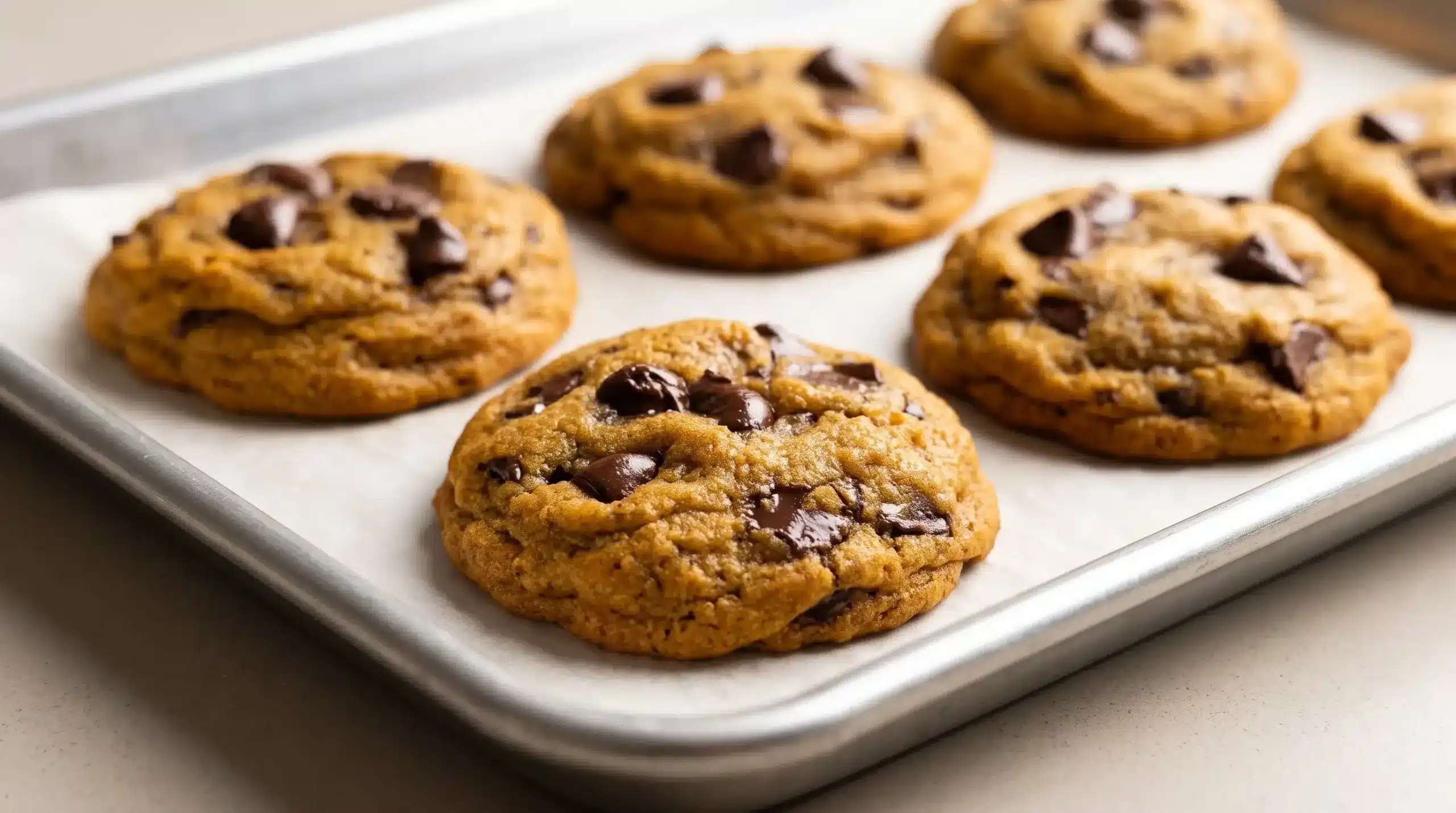
At 350°F (180°C), these cookies should bake until their edges become lightly golden while their centers still look a little underbaked. For chocolate chip cookies, golden edges and soft centers are important visual cues, but the pumpkin in this dough makes careful moisture control especially important. Waiting for the entire surface to become firm can leave the pumpkin cookies dry rather than pleasantly chewy.
Baking one parchment-lined tray at a time helps maintain consistent results. Position the dough balls approximately 2–3 inches apart so they have room to spread without merging into neighboring cookies.
The stated baking window is 9–13 minutes. Begin checking near the earlier end because cookie size and oven behavior influence how quickly the edges color. A slightly soft middle is expected when removing the tray.
Freshly baked cookies remain delicate while hot. Allow them to settle before transferring them to a wire rack, then cool completely so their structure can firm up without sacrificing the tender center.
Common Mistakes That Affect Chewy Pumpkin Chocolate Chip Cookies
Several small handling errors can change the texture of chewy pumpkin chocolate chip cookies. Most involve excessive moisture, butter temperature, or baking beyond the point when the edges are ready.
- Wet pumpkin: Skipping the paper-towel treatment leaves extra liquid in the dough and may produce a more cake-like center. Continue blotting until the puree becomes thick and concentrated.
- Overheated butter: Adding sugar and egg yolks while the browned butter is too hot can interfere with the intended dough consistency. Cool it to the specified temperature first.
- Excess flour: Scooping flour directly from a tightly packed container can add more than the measured quantity. Spoon and level when using cups.
- Heavy mixing: Stirring vigorously after adding flour can make the cookies tougher. Fold the ingredients together only until combined.
- Overbaking: Waiting until the centers appear completely firm can reduce their softness. Use golden edges as the primary visual cue.
These mistakes are easiest to prevent before the cookies enter the oven. Once the dough has been mixed with excess flour or liquid, adjustments become less predictable.
Rounded Cookie Edges While the Cookies Are Warm
A large round cookie cutter can help shape freshly baked cookies into more uniform circles. Place it around each warm cookie and gently move it in a circular motion to bring uneven edges inward.
Work while the cookies are still flexible. Once they cool completely, their edges become firmer, and reshaping becomes more likely to break them. This finishing technique is optional and does not change their flavor.
A Practical Texture Guide for Each Baking Stage
The appearance and feel of the ingredients provide useful checkpoints throughout preparation. The following table distinguishes the expected condition from signs that an adjustment may be needed.
| Stage | Expected Appearance | What to Check |
|---|---|---|
| Browned butter | Golden-brown particles and a nutty aroma | Remove from heat before the solids become dark or burnt |
| Prepared pumpkin | Thick and soft, similar to playdough | Continue blotting if excess liquid remains |
| Butter and sugar | Moist, sandy mixture | Confirm the butter has cooled sufficiently |
| Combined dough | Evenly mixed and easy to portion | Stop folding when no dry flour remains |
| Baked cookies | Golden edges with slightly soft centers | Remove from the oven before the centers become completely firm |
These checkpoints are particularly helpful when preparing chewy pumpkin chocolate chip cookies for the first time. They make it possible to identify a potential texture issue before it affects the finished batch.
Small Flavor Variations for Pumpkin and Chocolate
Walnuts or pecans can be added for a contrasting crunch. Chop them into manageable pieces so they distribute through the dough without making the cookies difficult to shape. If adding a substantial amount of nuts, consider replacing some of the chocolate instead of continually increasing the total mix-ins.
A small extra pinch of cinnamon or nutmeg can emphasize the warm seasoning already present in pumpkin spice. Start conservatively because the dough already contains a measured spice blend, and too much additional seasoning can overwhelm the pumpkin and brown butter flavors.
Serving Pumpkin Cookies Warm or Fully Cooled
Warm cookies have softer chocolate pockets and a particularly tender center. At room temperature, their structure becomes more settled, making them easier to arrange on a plate or pack for sharing.
Milk and coffee both pair well with the chocolate and warm spices. For a plated dessert, a cookie can also be served alongside vanilla ice cream, where the cool creaminess contrasts with the buttery, spiced flavor.
Keeping Baked Cookies and Unbaked Dough Fresh
Store completely cooled cookies in an airtight container at room temperature for 2–3 days. Cooling them first helps prevent condensation from collecting inside the container and making the surfaces damp.
Unbaked dough offers a convenient option when only a few cookies are needed at once. Portion the dough into balls before refrigerating or freezing it so the individual servings are already shaped.
Refrigerated dough can be kept for up to a week according to the supplied storage guidance, while frozen dough can be kept for a few months. Use an airtight container or suitable freezer packaging to limit drying and exposure to freezer odors.
The original instructions call for bringing chilled or frozen dough back to room temperature before baking. Frozen portions may need about two hours, depending on their size and surrounding conditions. Keep the dough covered while it warms, and avoid leaving egg-containing dough at room temperature longer than necessary.
Portion Size and Ingredient Adjustments
Each cookie is intended to be a substantial portion, shaped with a 3-tablespoon scoop. Smaller portions will generally bake more quickly, while larger ones may need additional attention before their centers reach the desired consistency.
Replacing standard all-purpose flour with a gluten-free flour blend is possible, although the finished texture may change. A blend formulated for baking is a more appropriate starting point than a single alternative flour, and results cannot be assumed identical without testing.
Reducing sugar or replacing part of it with applesauce also changes more than sweetness. Sugar influences spread and chewiness, while applesauce introduces moisture. Since the pumpkin is deliberately dried to control water content, significant applesauce substitutions may work against the intended texture.
Chewy Pumpkin Chocolate Chip Cookies Depend on Moisture Balance
Thickened pumpkin puree and cooled brown butter establish the foundation for a cookie that holds its shape while remaining tender. Those preparations help the sugars, egg yolks, and flour work together without allowing excess liquid to dominate the dough.
The point at which the cookies leave the oven completes that balance. Golden edges and slightly underbaked centers allow chewy pumpkin chocolate chip cookies to finish setting as they cool, preserving the contrast between their softly structured interiors and firmer edges.
Questions About Pumpkin Puree, Dough Storage, and Cookie Texture
Can canned pumpkin puree be used for these cookies?
Yes. The ingredient list specifically uses Libby’s pumpkin puree. Choose plain pumpkin puree, not pumpkin pie filling, which contains additional ingredients that would change the sweetness and seasoning.
Why does the dough use egg yolks without the whites?
Egg yolks supply richness and help bind the ingredients while limiting the additional water that whole eggs would introduce. Their inclusion supports the intended chewy texture alongside the reduced-moisture pumpkin.
Can the browned butter be prepared before mixing the dough?
Yes. Brown the butter separately and allow it to cool to the intended mixing temperature before proceeding. If it becomes fully solid during storage, let it soften sufficiently to combine evenly with the sugars without heating it until hot.
Why do my pumpkin chocolate chip cookies look puffy?
Excess moisture in pumpkin puree is a likely contributor. Puffy cookies may also need time to settle after baking. For subsequent batches, check that the puree has been thoroughly blotted and measured after drying.
Should frozen cookie dough be thawed before baking?
The supplied method calls for bringing frozen dough balls to room temperature before baking. Keep the portions covered during thawing and return them to the oven preparation process once they are sufficiently softened, without extending room-temperature holding unnecessarily.
Can chocolate chips and chopped chocolate be mixed together?
Yes. A combination gives the cookies both recognizable chocolate pieces and softer melted pockets. Keep the combined quantity close to the specified chocolate amount so the dough remains easy to portion and shape.
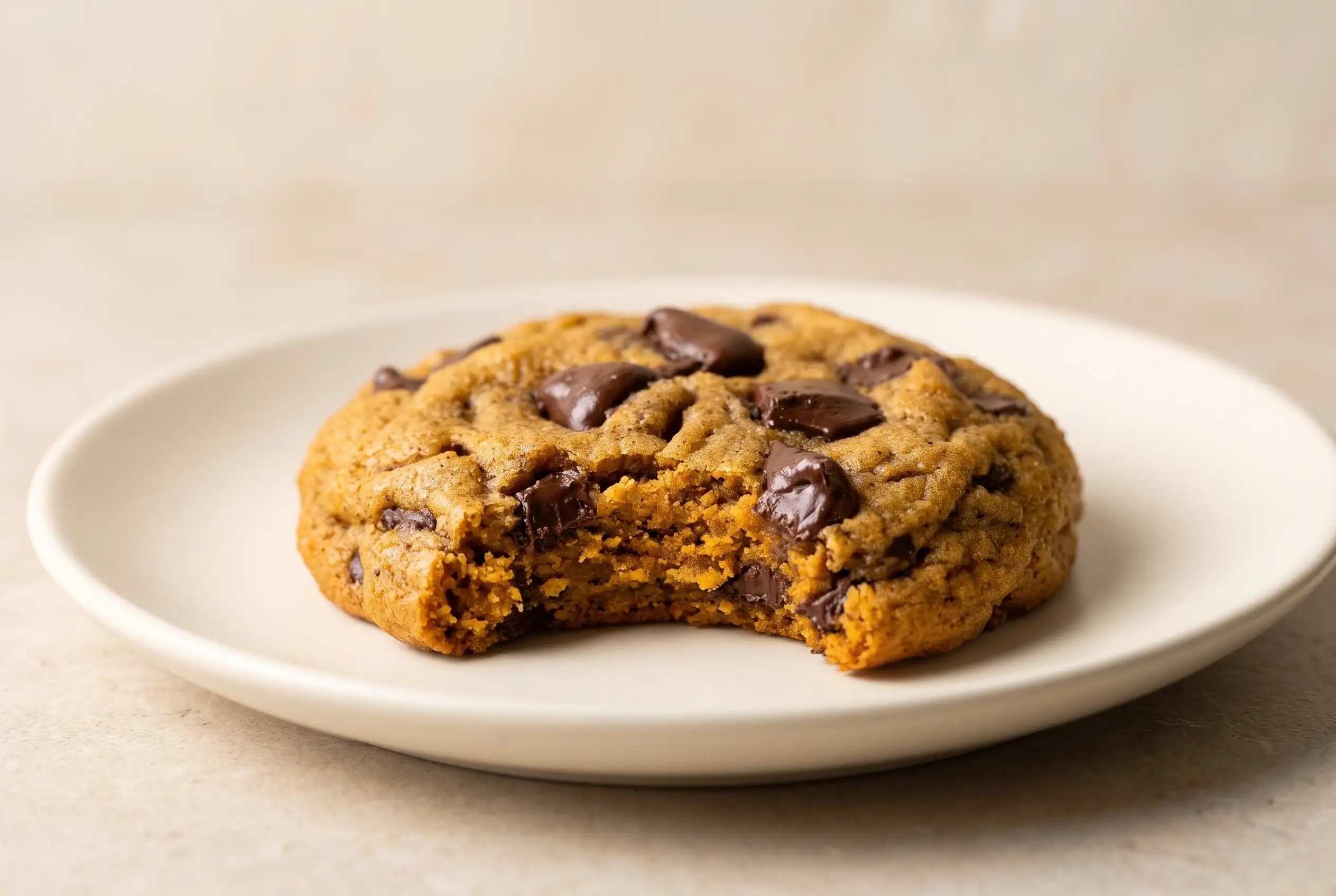
Pumpkin Chocolate Chip Cookies with Nutty Brown Butter
Ingredients
Method
- Set the oven to 350°F (180°C). Prepare two baking sheets by covering them with parchment paper.
- Place the unsalted butter in a large stainless steel pan over medium heat. Allow it to melt, stirring occasionally as it cooks. Once golden-brown milk solids appear and a toasted, nutty aroma develops, take the pan off the heat and pour the butter into a heatproof measuring bowl.
- Place the browned butter in the refrigerator for 50–60 minutes. Stir it at 10–15-minute intervals until its temperature reaches approximately 75°F (24°C).
- Arrange the pumpkin puree in an even layer on a plate. Blot it firmly with clean paper towels, replacing them as they absorb moisture. Continue until the puree is dense enough to retain its shape and measures approximately 1/3 cup (75 g).
- Combine the cooled brown butter, granulated sugar, and packed light brown sugar in a mixing bowl. Whisk for approximately 1 minute until the sugars are distributed throughout the butter and the mixture has a damp, sandy consistency.
- Stir the egg yolks, vanilla extract, and reduced pumpkin puree into the butter mixture until the ingredients are fully blended.
- Add the all-purpose flour, pumpkin pie spice, baking soda, and fine sea salt, folding them into the wet ingredients. Incorporate the chopped chocolate or chocolate chips with gentle mixing, stopping as soon as the flour is completely absorbed.
- Measure the dough into portions using a 3-tablespoon cookie scoop. Shape each portion into a round ball and distribute approximately 15 balls between the prepared baking sheets, maintaining 2–3 inches of space around each cookie.
- Bake the sheets individually for 9–13 minutes each. Remove the cookies when their edges have set and developed a light golden color, even if the centers still feel slightly tender. They will become firmer during cooling.
- For a more uniform appearance, place a large round cookie cutter around each warm cookie and move it gently in a circular motion to smooth the edges. This shaping step is optional.
- Move the baked cookies onto a wire cooling rack. Leave them until completely cooled before serving or placing them in storage.