
Spring flower shortbread cookies combine a buttery, tender texture with decorative flower shapes that suit spring parties, afternoon tea, and homemade gifts. Made with softened butter, powdered sugar, vanilla, and flour, these cookies have a simple flavor that works well with colorful decorations. Their appearance comes mainly from the cookie cutters, so elaborate decorating skills are unnecessary.
Successful flower-shaped cookies depend on several small details. The butter needs to blend smoothly with the sugar, the dough benefits from chilling, and the rolled thickness should remain consistent. Paying attention to these points helps the flowers retain recognizable edges while developing a lightly golden finish in the oven.
Why Spring Flower Shortbread Cookies Hold Their Shape
Shortbread dough has a relatively simple composition, without the eggs or leavening agents found in many other cookies. Its structure comes from flour combined with butter and sugar. Once chilled, the dough becomes firm enough to cut into petals and transfer to a baking sheet.
Flower-shaped cutters create a recognizable pattern without additional shaping. Small petals and curved outlines provide much of the visual detail, especially when the cookies are decorated with colored sugar or edible flowers.
The absence of baking powder or baking soda also means the cookies are not designed to rise significantly. Keeping the dough cool and rolling it evenly helps preserve the cutter’s outline, although some spreading can still occur during baking.
Softened Butter and Powdered Sugar Create the Shortbread Texture
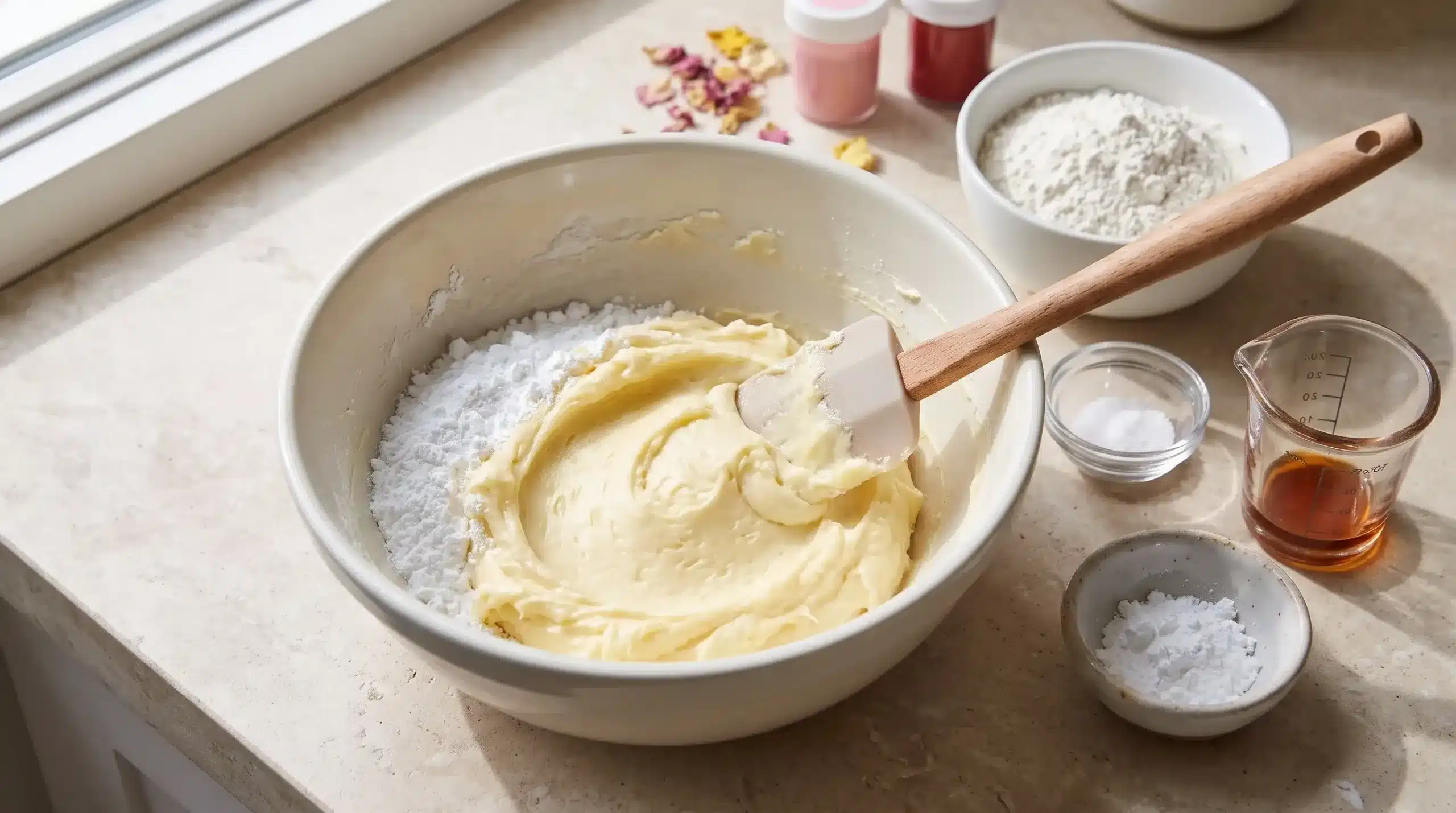
Butter is particularly important in spring flower shortbread cookies because it influences both their flavor and how the dough handles. Unsalted butter allows the small amount of added salt to be controlled separately. It should be softened enough to mix easily, but not melted or greasy.
Powdered sugar blends readily with softened butter and contributes to a fine, delicate crumb. Its texture differs from granulated sugar, which has larger crystals and can produce a different mouthfeel. Using the specified sugar helps maintain the intended shortbread consistency.
All-purpose flour provides the structure needed for rolling and cutting. As the flour is incorporated, the mixture changes from a creamy butter base into a cohesive dough. Excessive mixing after that point can make the cookies less tender, so stop once the ingredients are evenly combined.
Vanilla extract supplies the familiar background flavor, while a little salt keeps the sweetness balanced. Neither needs to dominate the butter, which remains the main flavor of these simple cookies.
The Flower Cutter Determines the Cookie’s Appearance
Flower-shaped cookie cutters are the most direct way to give these shortbread cookies their spring design. Cutters with broad, rounded petals are generally easier to handle than shapes with very narrow or intricate extensions.
Choose a cutter size that allows individual cookies to be moved from the work surface without pulling or stretching their petals. If using several cutter sizes, arrange similarly sized cookies together when possible, since smaller pieces may become golden sooner than larger ones.
A lightly floured work surface helps prevent sticking during cutting. Too much additional flour, however, can change the consistency of scraps that are gathered and rolled again.
Chilled Dough Makes Detailed Flower Shapes Easier
Resting the wrapped dough in the refrigerator for about 30 minutes makes it firmer and more manageable. Soft dough may stick to the cutter or distort when lifted, particularly around the edges of narrow petals.
Keep the dough wrapped during chilling to protect its surface from drying. Once removed from the refrigerator, it should be firm but workable. Dough that has become unusually hard can be allowed to soften slightly until it rolls without cracking excessively.
If the kitchen is warm, work with manageable portions and return unused dough to the refrigerator. This is especially helpful when making several trays of spring flower shortbread cookies.
Even Rolling Keeps Flower Petals Baking Consistently
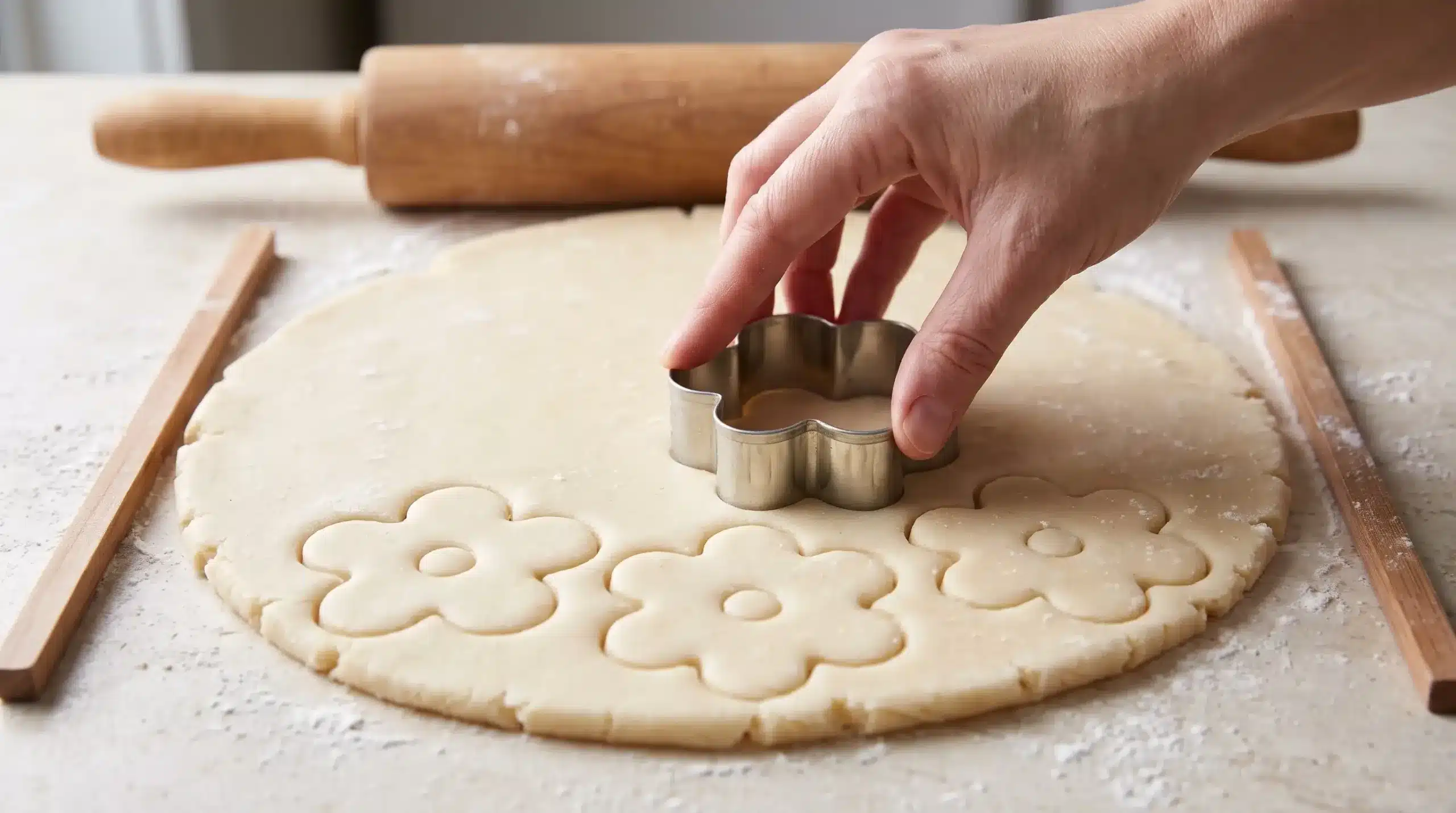
A thickness of approximately 1/4 inch gives flower shaped shortbread cookies enough substance to handle while allowing them to bake through. Uneven rolling can create thin petals that brown before thicker centers finish.
Check the dough around the edges as well as the middle before cutting. Apply gentle, even pressure with the rolling pin, and avoid repeatedly compressing the same area.
When transferring the shapes, support the entire flower with a thin spatula if needed. Lifting a cookie by one petal can stretch the outline and leave the finished shape uneven.
Edible Flowers and Colored Sugar Offer Different Finishes
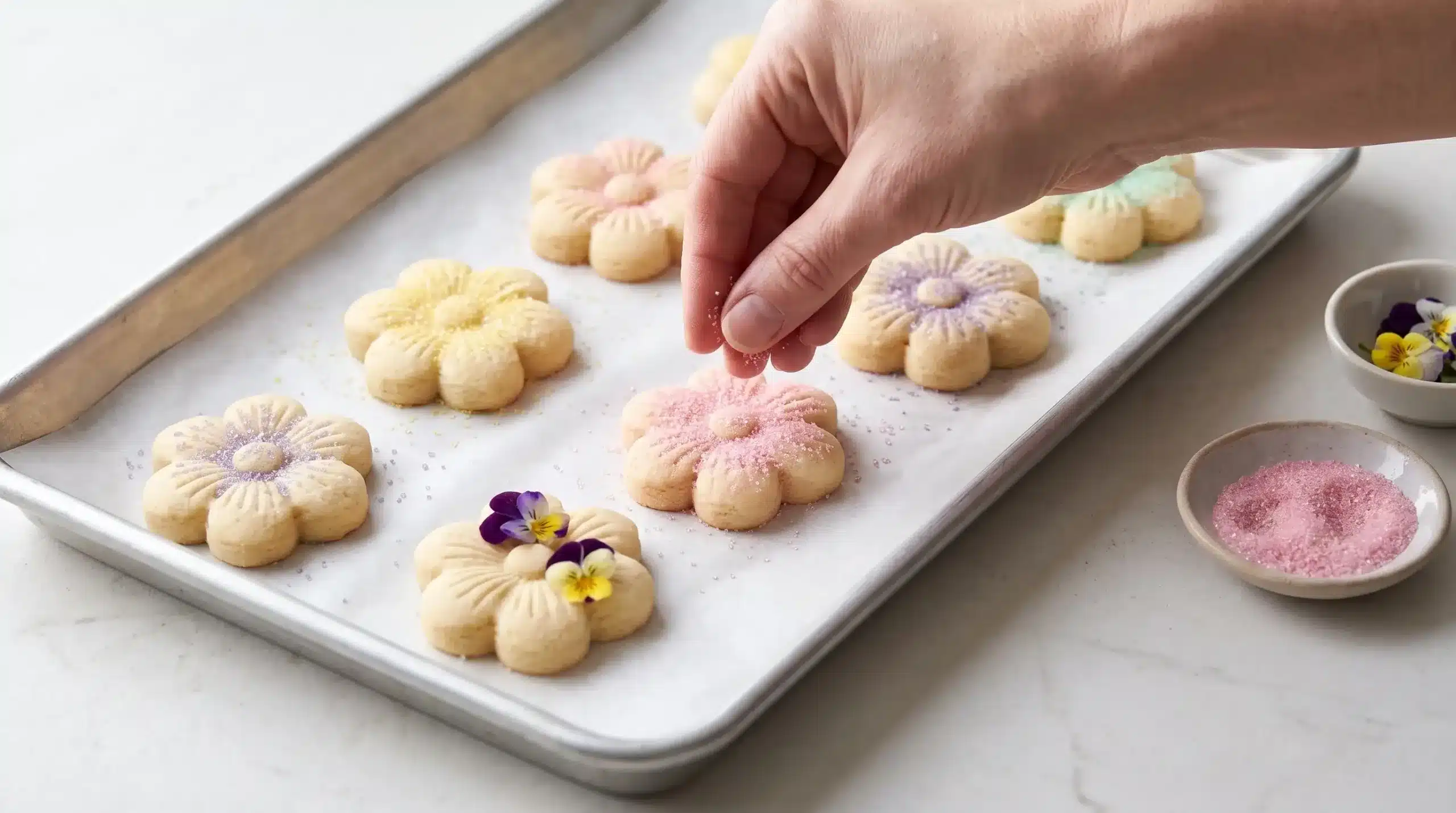
Decoration is optional, but it changes how the spring theme appears. Colored sugar provides small areas of brightness across the cookie surface, while culinary edible flowers create a more botanical appearance.
For decorating spring flower shortbread cookies, use only flowers specifically identified as edible and suitable for food. Ordinary florist flowers, garden flowers treated with pesticides, and unidentified blossoms are not appropriate substitutes. Check that the chosen edible flowers are suitable for baking, since some varieties may change color or texture under heat.
For a restrained appearance, decorate only part of each cookie so the petal outline remains visible. More colorful designs can be made with several sugar colors, especially when arranging the finished cookies together on a serving plate.
Oven Control for Lightly Golden Shortbread Cookies
Spring flower shortbread cookies bake at 350°F (175°C), with the original baking range of 15 to 20 minutes serving as a guide. The important visual signal is light golden coloring, particularly around the edges. A flower cookie does not need to become uniformly dark to be finished.
Start checking toward the earlier end of the baking range. Smaller flowers and thinner petals can color more quickly, while larger shapes may need additional time. An evenly rolled batch makes these judgments easier.
Allow the baked cookies to cool on a wire rack before serving. Freshly baked shortbread can be delicate, and cooling allows the structure to firm up before the cookies are arranged, stacked, or packaged.
Shortbread Flower Cookie Mistakes Worth Avoiding
Several common problems begin before the cookies enter the oven. Recognizing the signs early makes it easier to protect their shape and texture without changing the basic ingredients.
- Greasy dough: Butter that becomes overly warm can make the mixture difficult to shape. Chill it until manageable before continuing.
- Ragged petals: Dough that sticks to the cutter may stretch as the cutter is lifted. Keep the surface lightly floured and work with chilled dough.
- Tough cookies: Continuing to mix heavily after adding flour can develop more gluten. Mix only until a cohesive dough forms.
- Uneven browning: Flowers rolled to different thicknesses may finish at different times. Check the thickness before cutting.
- Broken decorations: Rough handling while cookies are warm can damage delicate surfaces. Let them cool before stacking.
Forcing a stiff piece of dough through a complicated cutter can also create cracks. Allow it to become just pliable enough to cut cleanly, while keeping the butter from getting too warm.
Flavor Changes That Suit Buttery Flower Shortbread Cookies
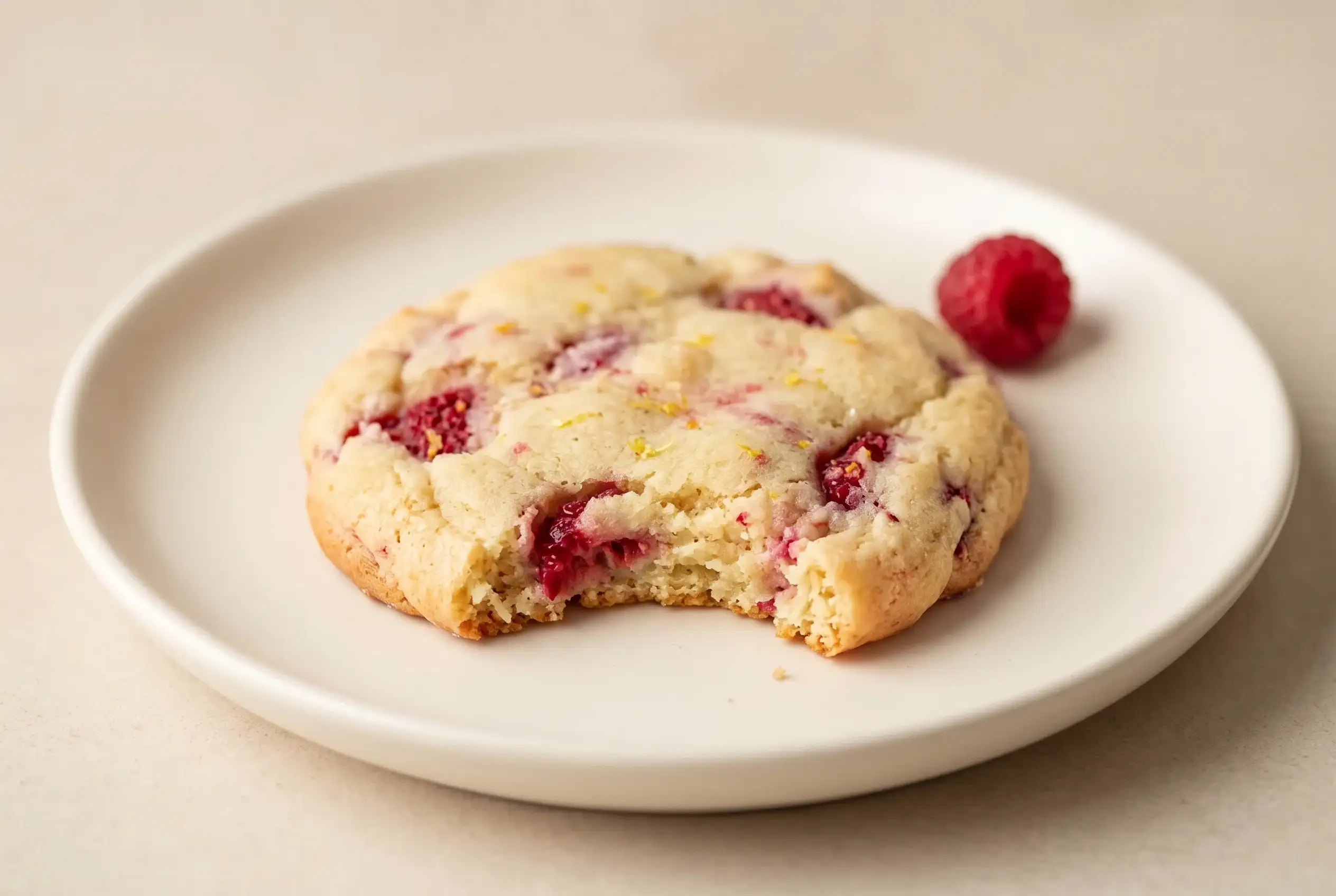
Vanilla is the standard flavor, but lemon extract or almond extract can be used as alternatives. Lemon creates a fresh citrus aroma that suits the spring presentation; for a platter featuring lemon raspberry cookies alongside the flower shortbread, use a light hand with the extract so the buttery flavor remains distinct. Almond gives the shortbread a nutty fragrance. Extracts vary in strength, so substitutions should be made carefully.
Chocolate chips or chopped nuts are additional options, although they change the smooth surface and can interrupt narrow flower outlines. Smaller pieces are easier to accommodate in cut-out dough than large additions.
Whole wheat flour can also be considered as a variation, but replacing all the all-purpose flour may change the dough’s firmness and the finished texture. A partial substitution is a more cautious starting point when experimenting.
Choosing a Decoration and Flavor Combination
For easy spring shortbread cookies, decoration and flavor can remain separate decisions. A simple vanilla dough works with either colorful sugar or an edible botanical garnish. More pronounced flavor variations may benefit from a less elaborate surface so neither element overwhelms the other.
| Variation | Appearance or flavor | Practical consideration |
|---|---|---|
| Vanilla with colored sugar | Classic buttery flavor with bright petals | Use the sugar sparingly to keep the shape visible |
| Vanilla with edible flowers | Natural floral decoration | Choose food-safe flowers suitable for baking |
| Lemon extract | Light citrus aroma | Adjust carefully to the extract’s strength |
| Almond extract | Distinct almond fragrance | Consider the needs of anyone with tree nut allergies |
| Chocolate chips or nuts | Additional texture and flavor | Large pieces may interfere with clean petal edges |
When making several variations for one gathering, keeping the decorations visually distinct can help guests recognize the different flavors. Clearly identify cookies containing nuts or almond ingredients when sharing them.
Spring Serving Ideas for Flower-Shaped Shortbread
A platter of flower-shaped cookies fits naturally into a spring picnic, a casual dessert spread, or an afternoon tea setting. Their flat profile makes them easy to arrange in overlapping circles without requiring frosting or complicated presentation.
Tea and coffee are suitable accompaniments because the cookies have a rich butter flavor and moderate sweetness. They also work as a small dessert after dinner, especially when a large or heavily decorated sweet is unnecessary.
For sharing, arrange completely cooled cookies in a clean jar or gift container. Leave enough room to avoid pressing the petals against one another, and use a food-safe liner or separation between layers when the shapes are delicate.
Airtight Storage Protects Their Delicate Texture
Store fully cooled shortbread in an airtight container at room temperature for about one week. Keeping the container closed limits exposure to moisture and helps maintain the cookies’ texture.
Choose a cool, dry storage spot away from direct sunlight or heat. Cookies with decorative flowers should be handled carefully so the toppings remain intact.
Freezing Flower Shortbread for Later
For longer storage, place the cooled cookies in a freezer-safe bag or container and freeze for up to three months. A sturdy container is helpful when the flower shapes have thin or projecting petals that could break under pressure.
Separate delicate layers with parchment paper and remove excess air from freezer bags without crushing the contents. When ready to serve, allow the cookies to thaw while protected from excess moisture. This helps prevent condensation from affecting the surface.
Freezing is particularly useful when preparing several batches for a future gathering. Plain cookies may be easier to package than heavily decorated ones, depending on the type of edible flower or sugar topping used.
Small Design Choices for a Spring Cookie Platter
Using different flower cutters can create visual variety even when every cookie comes from the same dough. Mixing smaller and larger flowers gives the serving plate a more natural arrangement, although differently sized pieces should be watched carefully during baking.
Food coloring may also be added to the dough for a brighter appearance. Concentrated coloring is preferable when avoiding excess liquid, which can affect consistency. Add coloring gradually and mix just enough to distribute it.
A single color or a combination of a few gentle shades can make the petal shapes easy to recognize. Decorative choices do not need to change the underlying buttery flavor of spring flower shortbread cookies.
Buttery Shortbread Works Best With Firm, Even Petals
Evenly rolled, chilled dough gives the flower shapes a better chance of retaining their outlines, while careful baking keeps the cookies lightly golden and tender. Those two details matter more to the finished result than elaborate decorations.
With a simple butter-and-vanilla base, spring flower shortbread cookies can remain plain or take on color through sugar and food-safe flowers. The important finishing decision is to let them cool completely before handling, serving, or storing their delicate petals.
Spring Flower Shortbread Cookies Questions About Dough, Substitutions, and Decoration
Can margarine replace butter in flower shortbread cookies?
Margarine can be substituted, but its water and fat content may differ from butter, affecting flavor, spreading, and the finished crumb. A firm baking margarine is generally more suitable than a soft, low-fat spread.
Why does the shortbread dough crumble when rolled?
Crumbly dough may be too cold or insufficiently combined. Let very firm dough soften slightly, then gently press it together before rolling. Avoid adding large amounts of extra flour during this process.
Can the cookie dough be prepared ahead of time?
The dough can be made in advance and kept tightly wrapped in the refrigerator for a short period before shaping. Allow it to become workable if it is too firm to roll, and keep it chilled until needed.
Will liquid food coloring change the dough?
A small amount may be workable, but adding too much liquid can soften the mixture and interfere with its consistency. Gel food coloring can provide stronger color with less added moisture.
Can flower-shaped cookies be made without a flower cutter?
Other cookie cutters can be used, although the finished shapes will differ. Simple circles are another option if decorative cutters are unavailable. Keep the thickness consistent so the cookies bake evenly.
Are edible flowers and decorative craft flowers interchangeable?
No. Only flowers specifically sold or verified for culinary use should touch the cookies. Decorative craft flowers and unidentified fresh flowers may contain unsafe materials or residues and should not be used as edible toppings.
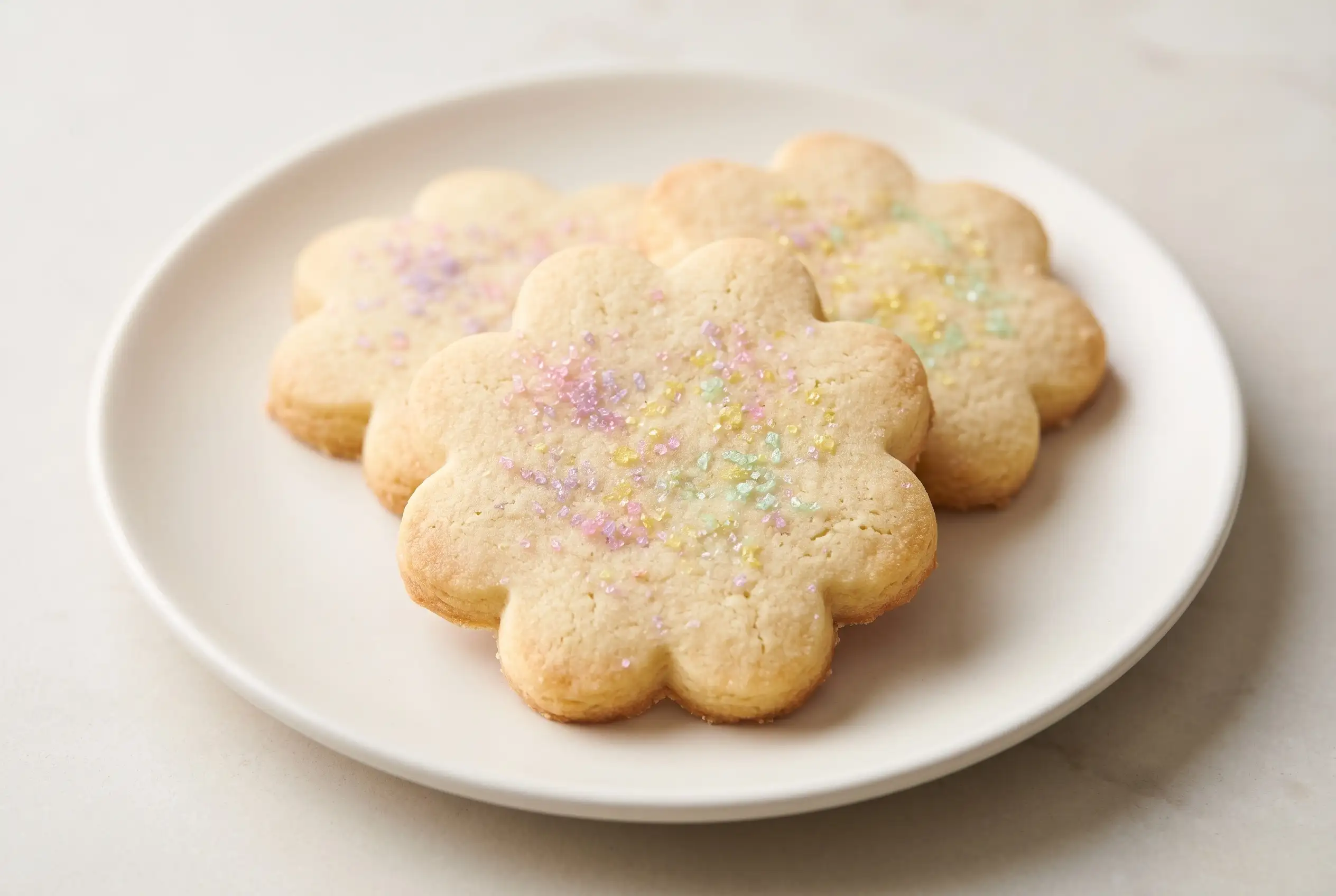
Spring Flower Shortbread Cookies with Colored Sugar
Ingredients
Method
- Set the oven to 350°F (175°C). Cover a baking sheet with parchment paper.
- In a large mixing bowl, cream the softened butter with the powdered sugar until the mixture becomes pale and airy.
- Pour in the vanilla extract and beat until fully blended with the butter mixture.
- Add the flour and salt in batches, mixing until the ingredients combine into a soft dough that stays together.
- Enclose the dough in plastic wrap and place it in the refrigerator for 30 minutes to make it easier to handle.
- Lightly dust a work surface with flour. Roll out the refrigerated dough to a uniform thickness of 1/4 inch.
- Stamp out flower-shaped cookies with a flower cookie cutter, then position them on the parchment-lined baking sheet.
- If using decorations, add colored sugar or edible flowers to the shaped cookies before baking.
- Bake the cookies for 15–20 minutes, checking that the edges have developed a light golden color and the centers are firm.
- Move the cookies to a wire cooling rack and leave them until completely cool before serving.