
Buffalo chicken bowls combine oven-baked seasoned chicken, brown rice, black beans, corn, and fresh vegetables with spicy buffalo sauce and creamy ranch dressing. Each bowl brings together warm, savory ingredients and cool toppings, making it a practical choice for lunch or dinner. Avocado and crumbled blue cheese complete the dish without requiring a complicated sauce or additional cooking.
These buffalo chicken rice bowls are also easy to customize. You can adjust the heat, change the grain, or prepare individual components ahead of time. The key is keeping the chicken tender, the vegetables fresh, and the dressing separate until serving.
Why Buffalo Chicken Bowls Work as a Complete Meal
A rice bowl makes it easy to combine several different textures in one serving. Cooked brown rice provides a substantial base, while black beans and corn add body. Cherry tomatoes and red onion bring freshness that balances the warmer ingredients.
Seasoned chicken provides the main protein, and buffalo sauce introduces the characteristic spicy flavor. Ranch dressing and avocado offer a creamy contrast, while blue cheese contributes a sharper finish.
Another advantage is portion flexibility. The rice mixture can be divided evenly before the chicken and toppings are added, allowing each serving to have a consistent foundation. Anyone who prefers less heat can use a smaller amount of buffalo sauce without changing the rest of the meal.
Choosing the Right Chicken and Buffalo Sauce
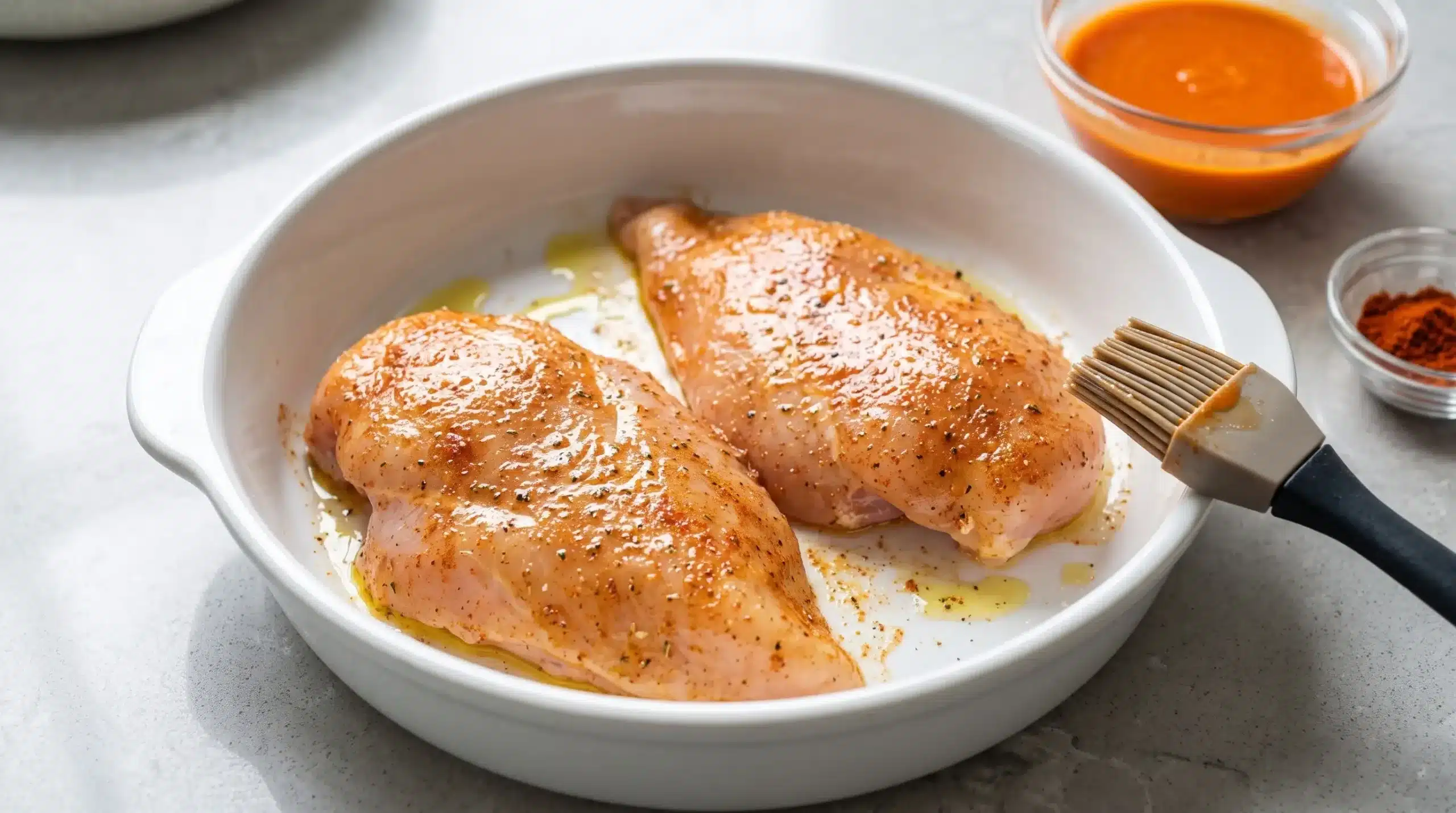
Boneless, skinless chicken breasts suit buffalo chicken bowls because they can be seasoned, baked, and sliced into strips for serving. Even thickness helps the chicken cook consistently, so a particularly thick breast may benefit from being gently flattened before seasoning.
The seasoning mixture uses olive oil, garlic powder, onion powder, smoked paprika, salt, and pepper. These ingredients coat the chicken before baking, allowing it to develop savory flavor independently of the buffalo sauce added during assembly.
Buffalo sauce should be selected according to your preferred heat level. The dish already contains ranch dressing, avocado, and blue cheese, so a moderately spicy sauce can still give the finished bowls a noticeable kick. Check the sauce before adding extra, especially when preparing portions for people with different spice preferences.
Brown Rice Creates a Sturdy Bowl Base
Cooked brown rice forms the foundation of the buffalo chicken bowl recipe. Its chewy texture works well with beans, corn, and chopped vegetables, and it remains substantial beneath the sliced chicken and dressings. Use rice that is fully cooked and fluffy, avoiding excess cooking water that could make the mixture wet.
If preparing the rice from scratch, one reliable option is cooking brown rice like pasta. Boil it in plenty of water until tender but still slightly chewy, then drain and return it to the covered pot to steam off the heat for 10 minutes. Fluff the grains with a fork before combining them with the beans, corn, and vegetables.
Fresh Vegetables Keep the Spicy Bowls Balanced
Cherry tomatoes, diced red onion, and avocado provide different textures alongside the cooked components. Halved tomatoes release some juice, so prepare them close to assembly when possible. Small pieces of red onion distribute more evenly through the rice mixture and prevent one bite from tasting overwhelmingly sharp.
Avocado is best sliced shortly before serving. Keeping it separate during preparation helps preserve its appearance and prevents the slices from becoming crushed while the other ingredients are mixed.
Extra vegetables are an easy adjustment. Bell peppers add crunch, while spinach can increase the amount of greens in the bowl. For a bowl with the fresh, vegetable-forward character of a buffalo chicken salad, increase the greens and tomatoes while keeping the warm chicken and brown rice as the base. Neither addition requires changing the chicken seasoning or buffalo sauce.
Oven Control for Tender Buffalo Chicken
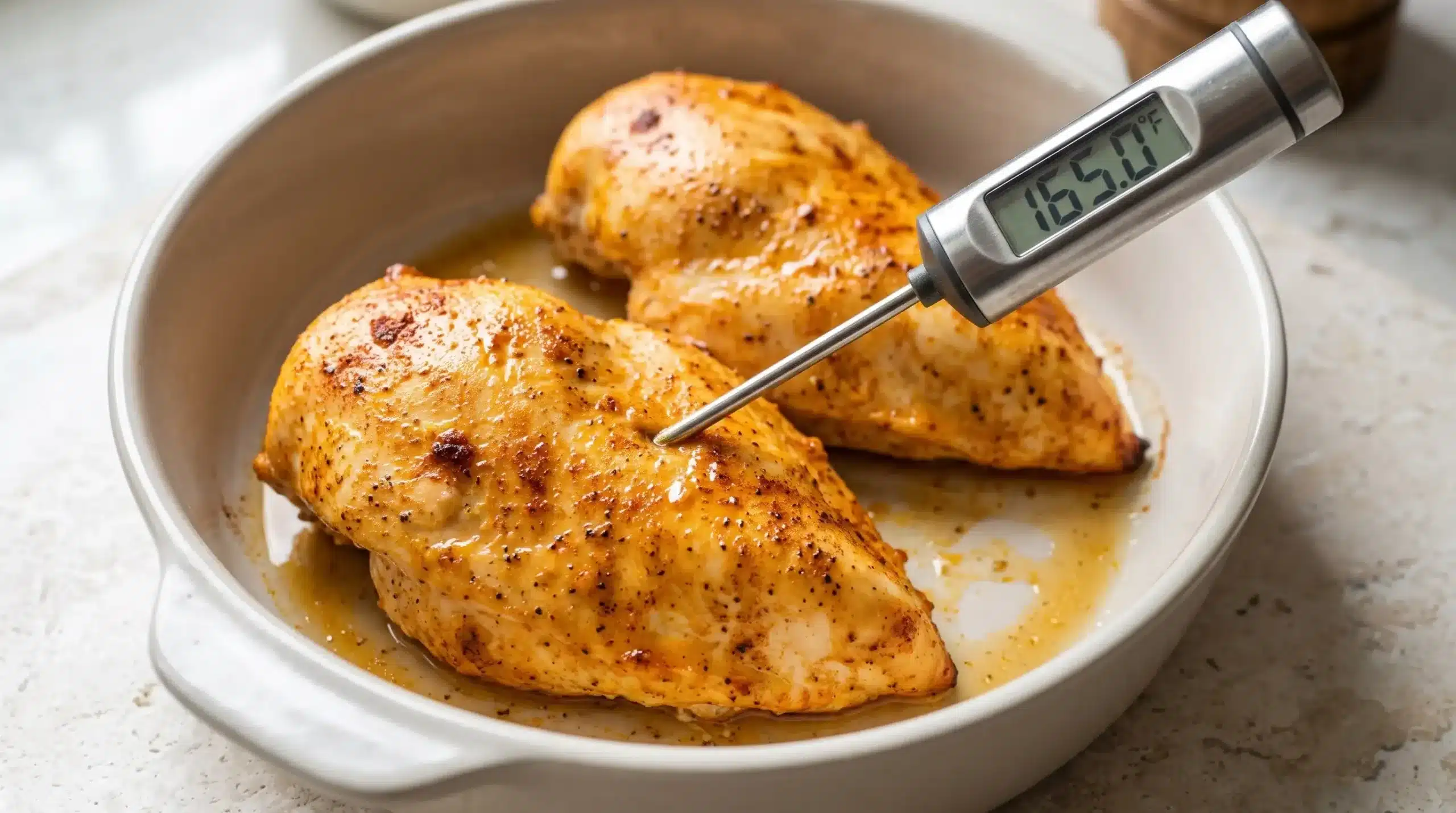
Oven temperature and chicken thickness have a direct effect on the finished texture. The chicken is baked at 400°F (200°C), a temperature that allows the seasoned exterior to cook while the center reaches a safe internal temperature.
Chicken breasts can vary considerably in size, so appearance alone is not the most dependable measure of doneness. Insert a meat thermometer into the thickest part and confirm an internal temperature of 165°F (74°C). This is particularly important when the breasts are not uniform in thickness.
After removing the chicken from the oven, allow it to rest briefly before slicing. Cutting immediately can release more juices onto the board, leaving the meat less moist when added to the bowl. Thin strips are convenient because they distribute across the rice and are easy to eat with the other ingredients.
Buffalo Sauce and Ranch Need Different Roles
Buffalo sauce delivers the heat, while ranch dressing softens its intensity. Keeping the two sauces separate during assembly gives you more control over the finished flavor and prevents the rice mixture from becoming heavily coated before serving.
A drizzle of each is enough to distribute flavor across the chicken and vegetables. Additional sauce can be offered at the table for anyone who wants a spicier or creamier serving.
Crumbled blue cheese adds a distinct savory sharpness that complements buffalo sauce. It works best as a topping because its flavor remains noticeable in small amounts. Fresh cilantro can be scattered over the finished bowl for an optional herbal finish.
Adjusting the Heat in Buffalo Chicken Bowls
The easiest way to control spiciness is to change the amount or intensity of buffalo sauce. Keep the seasoned chicken and rice mixture consistent, then adjust individual servings at the end. This approach is especially useful when making several bowls with different preferences.
| Heat preference | Buffalo sauce adjustment | Finishing approach |
|---|---|---|
| Mild | Use a small drizzle of a milder buffalo sauce. | Add ranch dressing and avocado for creaminess. |
| Medium | Use a moderate amount of regular buffalo sauce. | Balance with the usual ranch and blue cheese toppings. |
| Extra spicy | Add more buffalo sauce or choose a hotter variety. | Include sliced jalapeños if additional heat is desired. |
When serving a group, place the sauces on the table instead of mixing all of them into the rice. Everyone can then adjust their own bowl without affecting the others.
Layering the Rice Mixture and Chicken
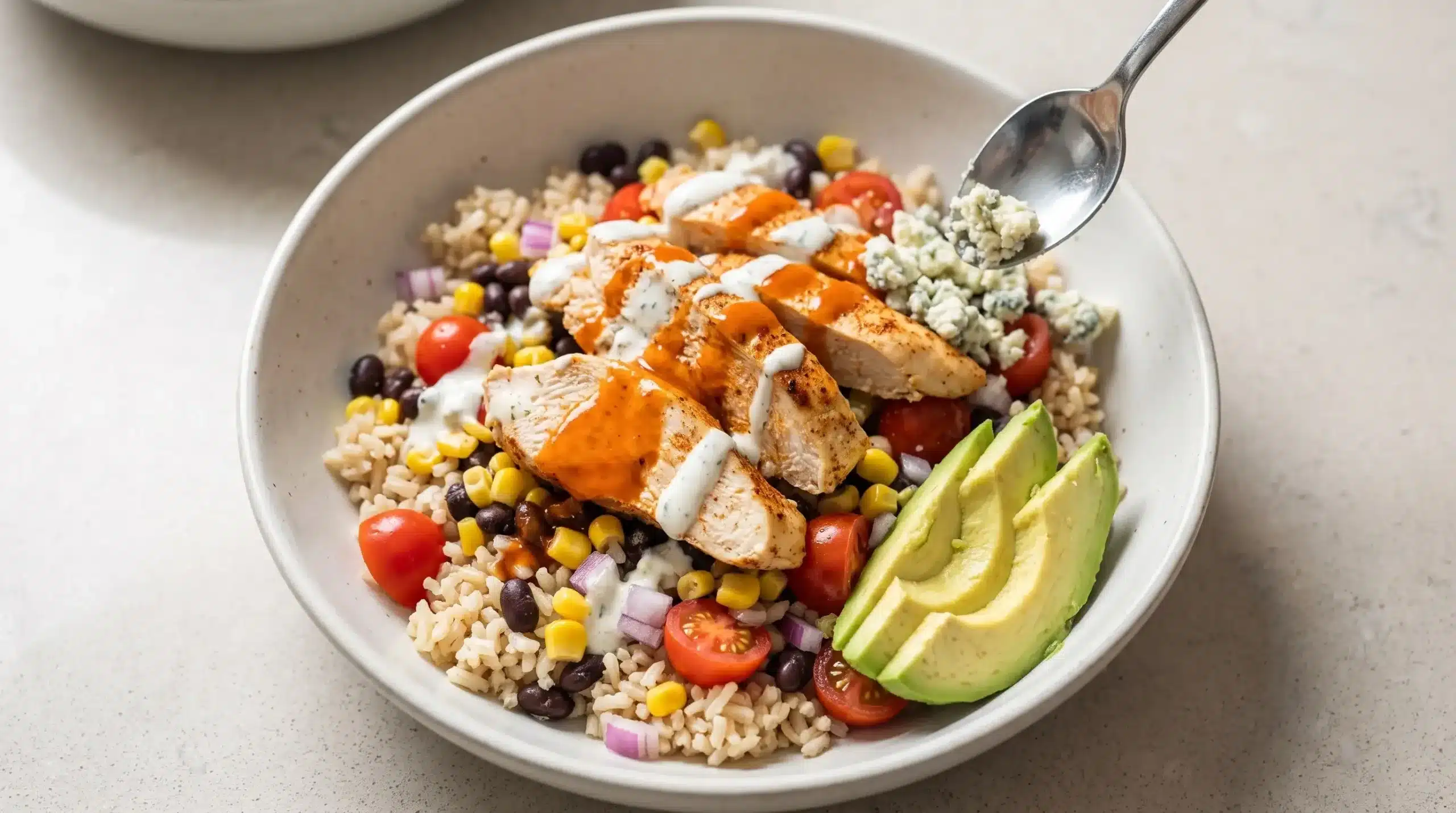
The order of assembly helps buffalo chicken bowls remain appealing and easy to eat. Combining the brown rice, corn, black beans, cherry tomatoes, and red onion creates a base with vegetables distributed throughout. This prevents the smaller ingredients from collecting in separate corners of the serving bowl.
Divide that mixture before arranging the sliced chicken on top. Keeping the chicken visible makes portioning easier and gives the buffalo sauce direct contact with the meat.
Finish with avocado, blue cheese, ranch dressing, and cilantro. Adding these ingredients last protects the softer toppings from unnecessary mixing and keeps the creamy dressing close to the surface.
Common Buffalo Chicken Bowl Mistakes to Avoid
Small preparation decisions can affect whether the finished bowl tastes fresh or becomes dry, overly spicy, or soggy. The following problems are particularly relevant when combining baked chicken, cooked rice, fresh vegetables, and multiple sauces.
- Overcooked chicken: Relying only on oven time can dry out smaller breasts. Check the internal temperature and remove the chicken once it is safely cooked.
- Uneven seasoning: Leaving large areas of the chicken uncoated produces inconsistent flavor. Spread the olive oil and spice mixture over the entire surface.
- Wet rice: Excess moisture can dilute the sauces and soften the vegetables. Drain or fluff the cooked rice appropriately before combining it with the other ingredients.
- Too much buffalo sauce: Adding a large amount before tasting can overwhelm the rice and vegetables. Start with a drizzle and increase gradually.
- Crushed avocado: Mixing delicate slices into the rice mixture can make them lose their shape. Add them after the chicken has been arranged.
Preparing Buffalo Chicken Meal Prep Bowls
Buffalo chicken meal prep bowls are convenient when you want to cook the main components before a busy day. The chicken can be baked and sliced in advance, while the rice, beans, and corn can be prepared separately. Store the cooked components promptly in the refrigerator.
For the freshest texture, keep the ranch dressing and buffalo sauce in small separate containers. Cherry tomatoes, red onion, and other fresh vegetables can also be packed apart from the warm ingredients. This arrangement allows the chicken and rice to be reheated without warming the salad-style toppings.
Assemble the bowl when ready to eat, adding freshly sliced avocado if available. The different ingredients will retain more of their intended textures than they would if everything were mixed and dressed well in advance.
Refrigerating and Reheating Leftover Rice Bowls
Leftovers can be refrigerated in airtight containers for 2–3 days. Cool the cooked chicken and rice promptly, and avoid leaving prepared bowls at room temperature for extended periods. Refrigeration is especially important because the dish combines cooked poultry, cooked grains, and fresh produce.
For reheating, separate the chicken and rice from avocado, ranch dressing, and other cold toppings. Warm the cooked components thoroughly in the microwave or on the stove, adding the fresh ingredients afterward. Previously dressed bowls can still be reheated, but their texture may be softer.
If you intend to save individual portions, pack them before adding the final sauces. This simple separation makes leftovers more practical and prevents the dressing from soaking into the rice during storage.
Vegetarian and Grain Alternatives for Buffalo Bowls
The basic bowl format can accommodate different dietary preferences. Grilled tofu or tempeh can replace chicken for a vegetarian version, while quinoa or cauliflower rice can replace brown rice. These substitutions change the texture and nutritional composition, but the combination of buffalo sauce, vegetables, and creamy toppings remains recognizable.
| Ingredient change | Effect on the bowl | Preparation consideration |
|---|---|---|
| Grilled tofu | Provides a plant-based main component with a softer texture. | Cook and season it separately before adding buffalo sauce. |
| Grilled tempeh | Introduces a firmer, more substantial bite. | Slice into serving pieces for even distribution. |
| Quinoa | Changes the grain texture while maintaining a substantial base. | Use fully cooked, drained quinoa. |
| Cauliflower rice | Creates a lighter vegetable-based alternative to brown rice. | Cook off excess moisture before assembling the bowl. |
For a fully plant-based variation, also replace the dairy-based ranch dressing and blue cheese with suitable alternatives. Check the buffalo sauce ingredients when accommodating specific dietary restrictions.
Serving Buffalo Chicken Bowls for Lunch or Dinner
Serve the bowls warm, with the chicken and rice providing a contrast to the cooler vegetables. A side salad works well when you want more greens without adding another heavy component.
For packed lunches, use a container with enough room to keep the ingredients organized. Carry refrigerated portions chilled until serving, and pack the sauces securely to avoid spills.
Protein, Fiber, and Balance in Buffalo Rice Bowls
Chicken supplies protein, while brown rice and black beans contribute carbohydrates and fiber. Corn and vegetables add further variety, and avocado contains unsaturated fats. For a more protein-focused serving inspired by high-protein cheesy buffalo chicken, increase the portion of cooked chicken while keeping the rice, beans, and vegetables in balance. The combination makes buffalo chicken bowls a substantial meal with several food groups represented.
Actual nutrition depends on portion size, sauce brand, and the amount of dressing and cheese used. Buffalo sauce, ranch dressing, and blue cheese may contribute appreciable sodium, so portioning these toppings according to individual needs is useful.
For a different balance, increase the vegetables or adjust the rice and topping portions. The assembled bowl remains flexible without requiring changes to the basic chicken preparation.
Well-Cooked Chicken and Fresh Toppings Complete Buffalo Chicken Bowls
Properly cooked chicken, fluffy brown rice, and fresh vegetables determine the texture of buffalo chicken bowls before the sauces are added. When the chicken rests before slicing and the avocado and dressings are added at serving time, the finished meal keeps its contrast between warm, seasoned ingredients and cool, creamy toppings.
Keeping buffalo sauce adjustable also makes the same prepared ingredients suitable for different levels of heat, whether the bowls are served immediately or assembled from refrigerated components.
Buffalo Chicken Bowls Storage and Preparation Questions
Can frozen chicken breasts be used for buffalo chicken bowls?
Frozen chicken breasts can be used once they have been thawed safely. Thaw them in the refrigerator or use another food-safe thawing method before seasoning and baking. Do not assume that a frozen breast will cook within the same timeframe as a thawed one.
Can canned corn be used without additional cooking?
Canned corn is suitable for the rice mixture. Drain it thoroughly before adding it to avoid introducing unnecessary liquid. Fresh corn is another option when its kernels have been prepared for eating.
How can I keep avocado from browning in a packed lunch?
Cut the avocado as close to serving time as practical. If it must be sliced beforehand, limit its exposure to air by packing it in a small, tightly sealed container and keeping it refrigerated. Some surface discoloration may still occur without making the entire bowl unusable.
Can buffalo chicken bowls be eaten cold?
Cooked chicken and rice can be eaten cold when they have been handled safely, cooled promptly, and kept refrigerated. A cold serving has a different texture, especially in the rice, but it can be convenient for lunches without reheating facilities.
Can I leave out the blue cheese?
Blue cheese is optional for anyone who dislikes its strong flavor. Omitting it leaves the buffalo sauce, ranch dressing, avocado, and seasoned chicken to provide the main flavor contrasts. No additional ingredient is necessary to make the bowl complete.
What can I do if the finished bowl tastes too spicy?
Add a little more plain cooked rice, beans, or avocado to the serving to reduce the concentration of buffalo sauce in each bite. Extra ranch dressing can also soften the perceived heat. Make these adjustments to individual portions so the other bowls retain their intended seasoning.
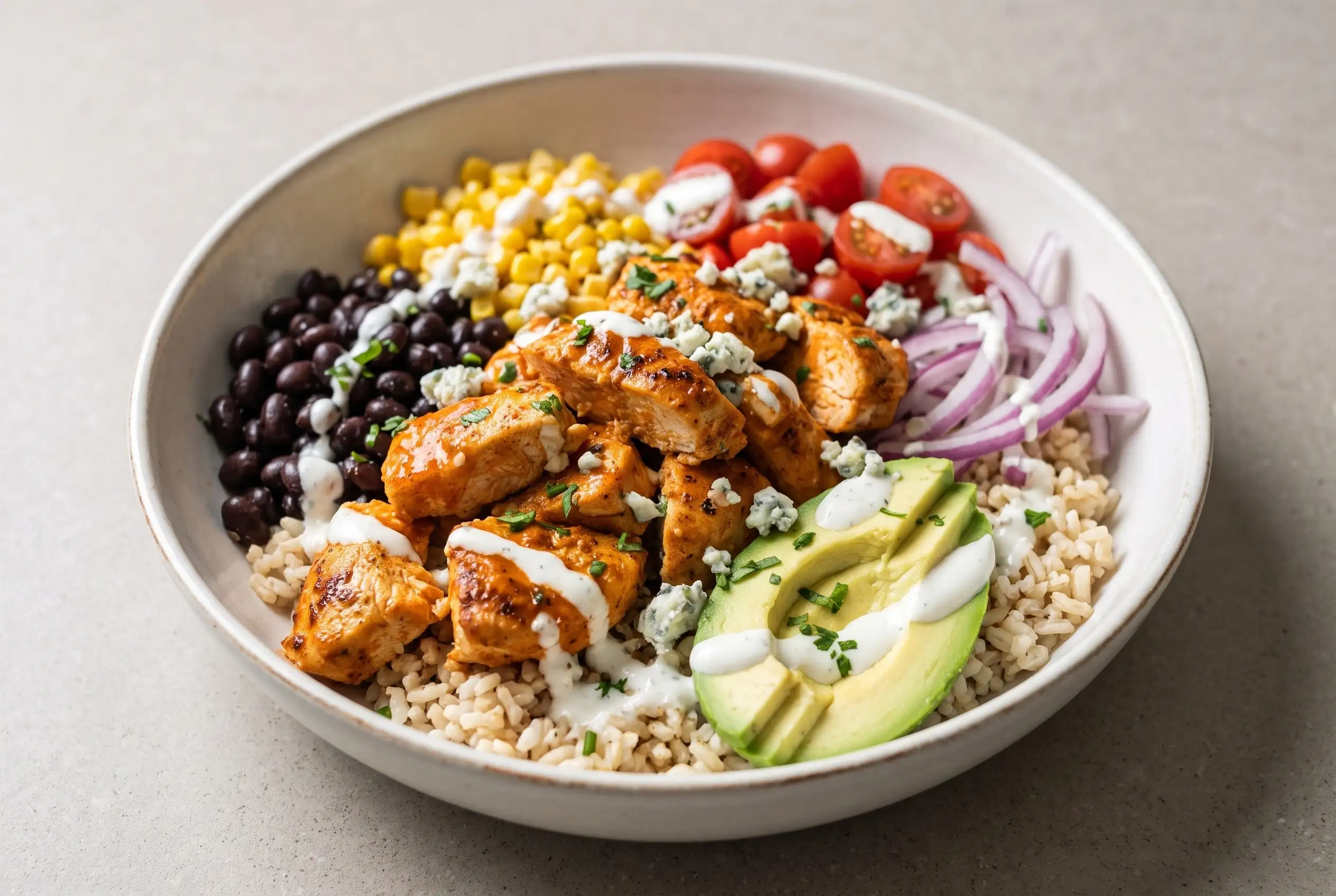
Buffalo Chicken Bowls with Brown Rice and Ranch Dressing
Ingredients
Method
- Set the oven to 400°F (200°C) and allow it to preheat.
- In a small bowl, stir together the olive oil, garlic powder, onion powder, smoked paprika, salt, and black pepper until the seasonings are evenly mixed.
- Rub the seasoned oil over both sides of each chicken breast, covering the surface thoroughly.
- Place the coated chicken breasts in a baking dish. Transfer to the oven and roast for 20–25 minutes, checking that the center of the thickest breast reaches 165°F (74°C).
- Take the chicken out of the oven and allow it to rest for a few minutes before cutting it into thin slices.
- Add the cooked brown rice, corn, rinsed black beans, cherry tomato halves, and diced red onion to a large mixing bowl. Toss gently to distribute the ingredients.
- Portion the rice and vegetable mixture equally into 4 individual serving bowls.
- Top each bowl with sliced chicken, avocado, and crumbled blue cheese. Spoon the 1/2 cup buffalo sauce evenly over all 4 portions.
- Finish each bowl with a drizzle of ranch dressing and a sprinkling of fresh cilantro.
- Serve the assembled bowls immediately, with the chicken and brown rice still warm.